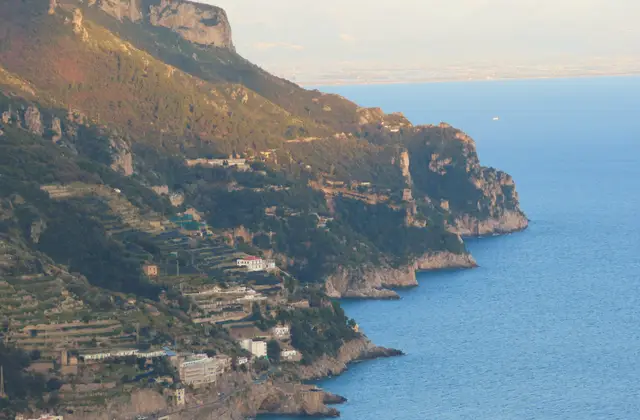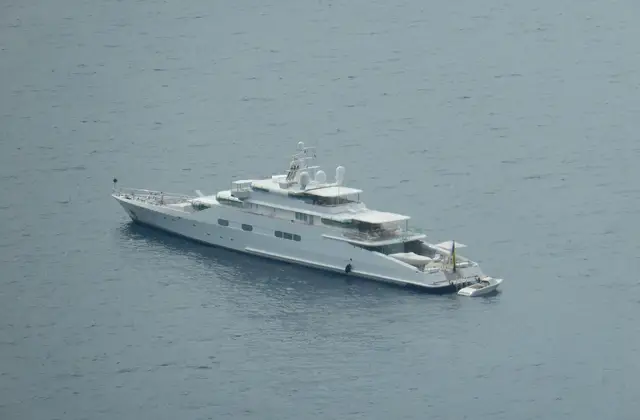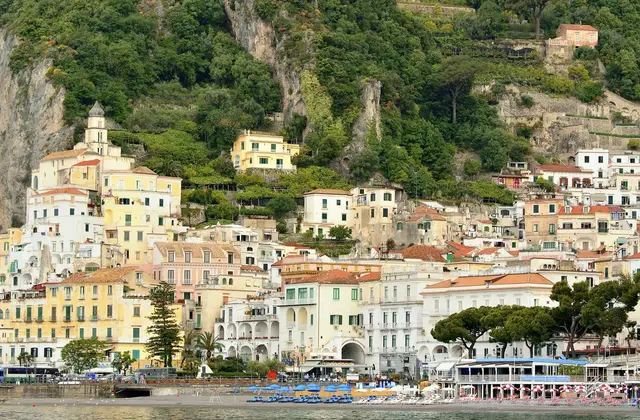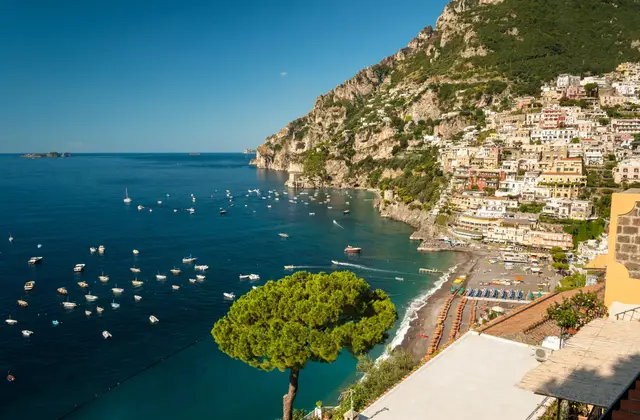
A photoshoot on the Amalfi Coast succeeds or fails for one reason: from land, the best subjects are hidden. Positano only reads from the water, the Fiordo di Furore only makes sense from beneath its bridge, and Atrani barely exists until you see it from the sea. Everything else — lenses, outfits, retouching — comes after that.
This guide gives the exact positions, the distances the bathing regulations allow, the times the light works and what the drone rules genuinely say, so the day is built around the sea rather than around hope.
Why you need a private boat
On a shared tour the schedule belongs to the group: you leave when the group leaves, you stop where the swim stops are, and nobody turns the boat round because the light has improved. Photography needs the opposite.
| Format | Price | Duration | Suits |
|---|---|---|---|
| Private speedboat, 2 hours | €360 per boat | 2 hrs | Positano, Li Galli, quick portraits |
| Private boat, 4 hours from Positano | €680 per boat | 4 hrs | Positano, the fjord, Praiano, with stops |
| Private boat along the coast | €750 per boat | 4–7 hrs | a full session as far as Amalfi |
| Shared tour | from €86 per person | 4–8 hrs | holiday memories, not a shoot |
Prices shown on GetYourGuide and checked. Split between four people, the two-hour private speedboat works out at €90 each: the price of a shared ticket, with complete control of the route. For a proper session, four private hours from Positano is the standard choice. The full comparison of formats is on the private tours page.
The angles that work
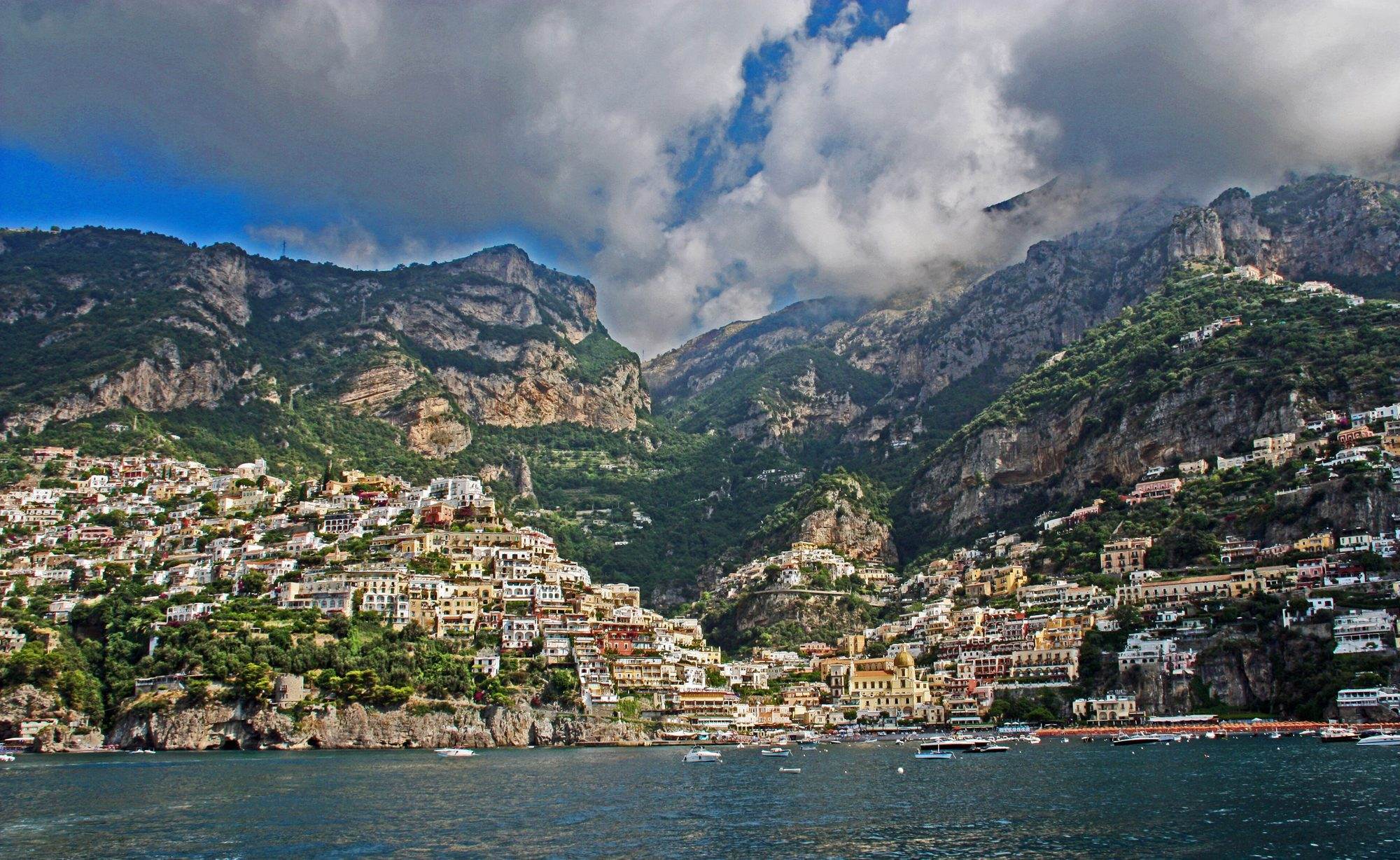
Positano head on. About 200 to 300 metres off Spiaggia Grande, slightly to the west. The town stacks into a pyramid beneath the majolica dome. You cannot get closer: from 16 May to 20 September the bathing safety order forbids motorised craft from coming within 200 metres of beaches and 100 metres of rocky shores.
Li Galli into the light. The three islets off Positano — Gallo Lungo, La Rotonda, Dei Briganti — with Positano behind them in the morning and backlit in the evening. Note that they sit in zone B of the Punta Campanella Marine Protected Area, where anchoring is forbidden.
The bridge over the Fiordo di Furore. At km 23 of the SS163, the arch some 30 metres above the water. Shooting upwards from the sea, the scale of the cleft reads immediately; from the beach you need a wide-angle. More detail on the Fiordo di Furore page.
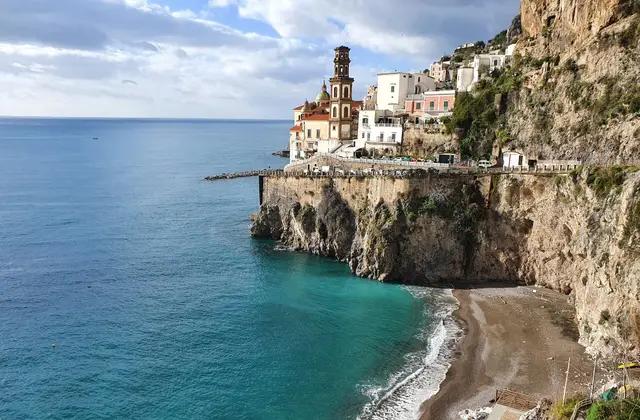
Atrani. The village wedged between two rock spurs beside Amalfi: from the sea the whole place fits in a single frame, which is impossible from land.
The Faraglioni of Capri. Stella at 111 metres, di Mezzo at 81 metres with the natural tunnel of about 60 metres you can pass through by boat, Scopolo at 104–105 metres. That is a full day: see Capri from Amalfi.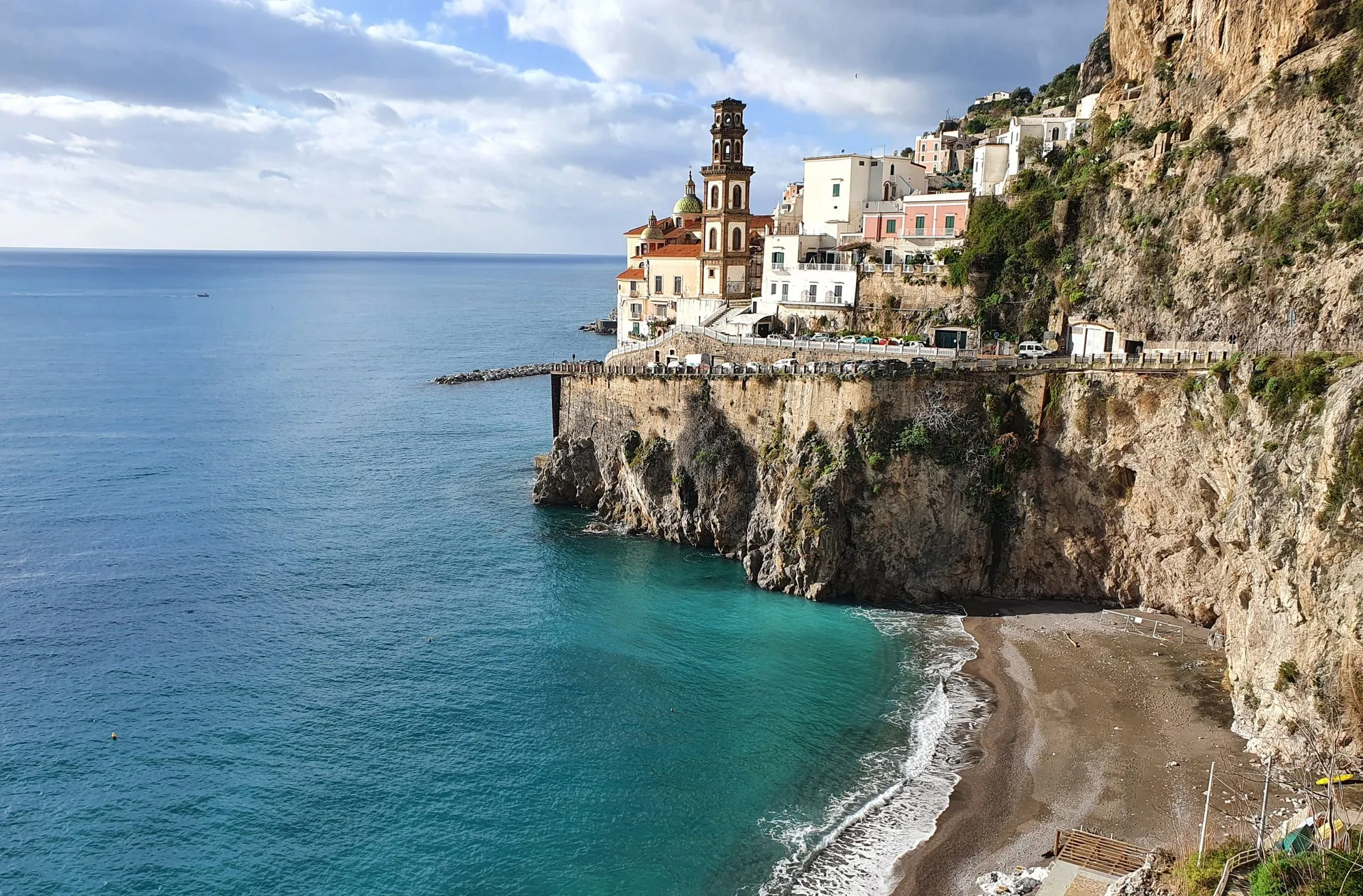 Atrani from the water: the only viewpoint that gives you the whole village.
Timing the light
On 21 June the sun sets over Positano at 20:36, with 15.1 hours of daylight. By mid-September sunset is considerably earlier and should be checked for your exact date.
- Dawn and early morning: flat sea, empty jetties, raking light on the eastern slope. Far and away the best moment for boat stability.
- 10:00–16:00: hard light and peak boat traffic. Avoid for portraits, good for the turquoise water in the coves.
- The last hour before sunset: the sun drops west behind Capri and Li Galli. The Positano side takes the full light; the Amalfi side gets the warm reflected glow afterwards.
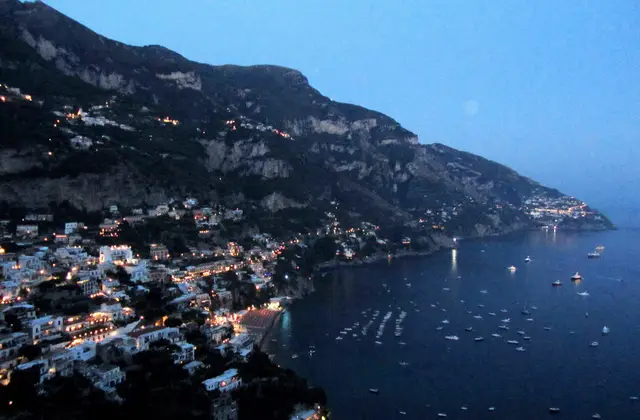
If you only want the evening part, the options are on the sunset cruise page; what happens after that is covered in nightlife.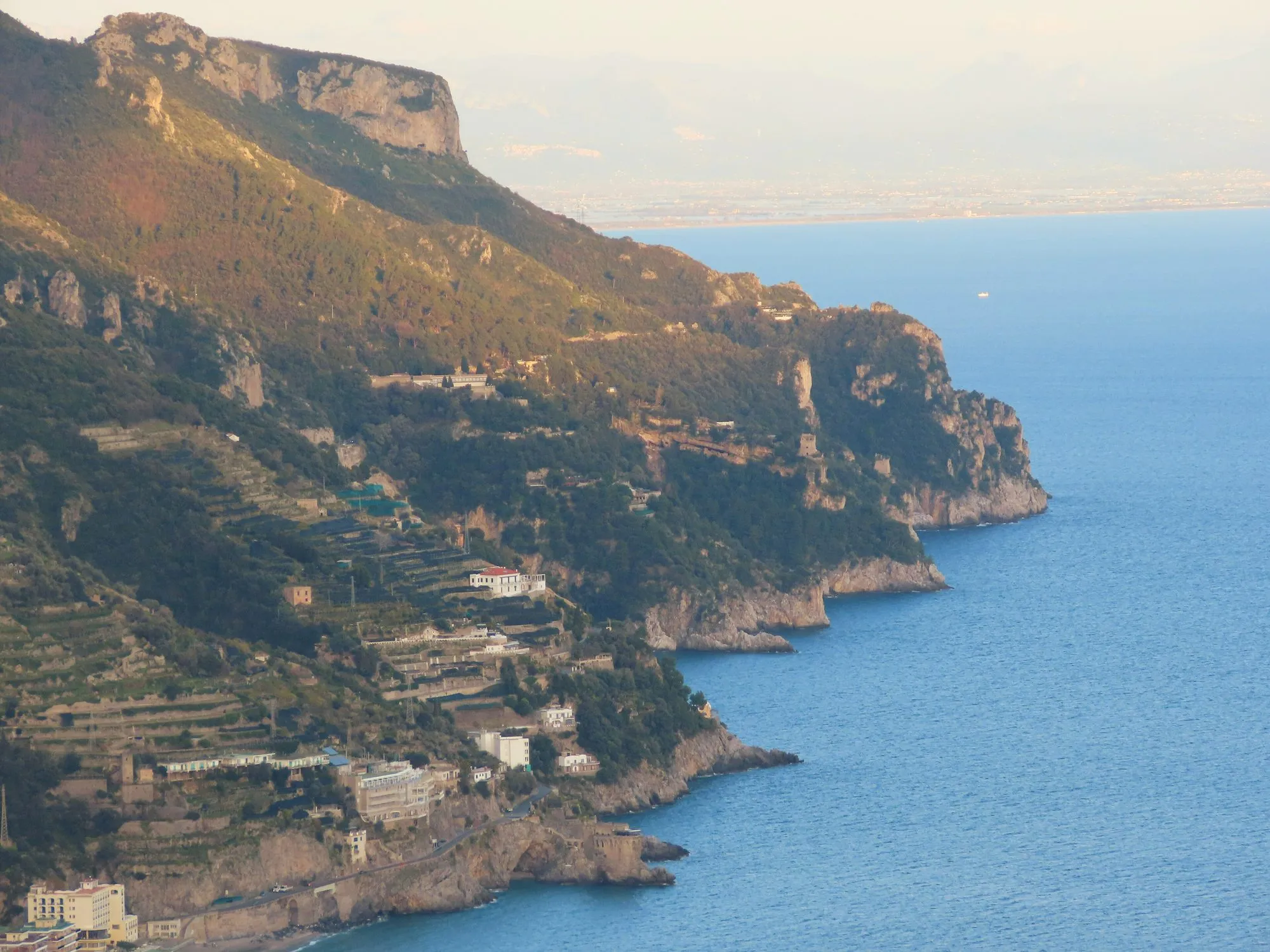 The last hour of light: twenty usable minutes, to be planned to the minute.
Kit and the real conditions on board
Shooting from the sea is not shooting on land. Three recurring problems and how to deal with them.
Movement. Even in a calm sea the boat moves. Slow shutter speeds get you nothing: keep the shutter fast and raise the ISO rather than dropping the speed to chase apparent quality. A tripod is useless on board.
Salt. Spray is guaranteed on a RIB or a speedboat and much less likely on a slow wooden gozzo. Bring a microfibre cloth, a sealable bag and the discipline not to change lenses under way.
Focal lengths. The whole of Positano from the sea wants a moderate wide-angle; portraits with the town behind want a short telephoto, which compresses the scene and pulls the houses closer. A long telephoto on a moving boat produces more rejects than results.
The hull makes a real difference: a speedboat gets everywhere quickly but is hard-riding and offers no shade, while a gozzo is slow and steady and lets you work. The characteristics of the fast boats are set out on the speedboat page.
Weddings and couples' shoots
From May to September the coast is saturated with wedding and anniversary shoots, peaking between June and September. The practical consequences:
- The best private boats sell out weeks ahead on summer weekends.
- The same spots — Spiaggia Grande, the fjord bridge, the cathedral steps in Amalfi — are contested within the same twenty minutes of light.
- Mid-May, early June and September remain the freest windows, with the sea already at 19.0 °C in May and still 24.9 °C in September.
If the aim is a couples' session without crowds, early morning beats sunset: the light is nearly as good as in the evening, the sea is flatter, and there are no other boats sitting off Positano.
Drones: what is actually allowed
EU and ENAC rules apply: registration on D-Flight, insurance, a ceiling of 120 metres, line-of-sight flight, no flying over gatherings of people. On top of that come local orders, which forbid unauthorised flight over the historic centres of Positano, Amalfi and Ravello and in the area near Salerno Costa d'Amalfi airport. The fines reported start at high figures.
In practice: a drone over open water, well away from boats and swimmers, is a very different proposition from a drone over Spiaggia Grande in August. It is the second that brings the authorities out.
 *The Faraglioni: 111, 81 and 104 metres, with the natural tunnel you can sail through.*Planning the day
- Choose the date on the sea forecast, not just the sky: a westerly makes the afternoon choppy.
- Book a private boat, not a shared one. Two hours for Positano, four for the coast.
- Set the departure by the sunset time for that exact day.
- Agree the list of positions with the skipper in advance: specific names, not "the pretty bits".
- Have a plan B: in a rough sea, trips are cancelled the same morning.
- If you also want a land segment, keep the two separate: the jetty logistics are on the from Positano page, and the comfort limits of the fast boats are on the speedboat page.
The full picture of what is bookable is in the guide to Amalfi Coast tours, while fitting it around the rest of the trip is covered in planning your trip.
A successful Amalfi Coast photoshoot almost always looks the same: a private boat, a departure calculated from the light, and five or six positions chosen beforehand. If you have a single afternoon, keep Positano from the sea and Li Galli backlit and let the rest go: you can check real boats and availability among the private coastal trips.