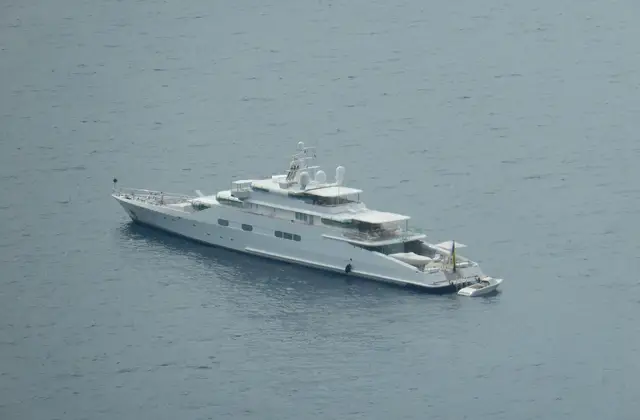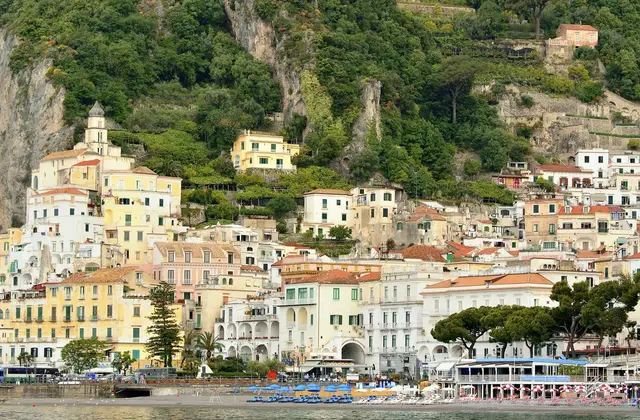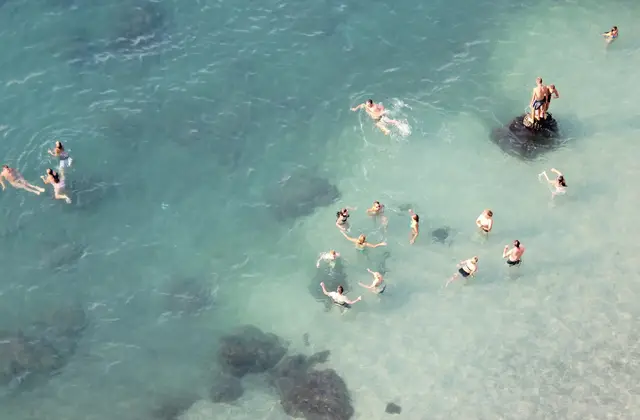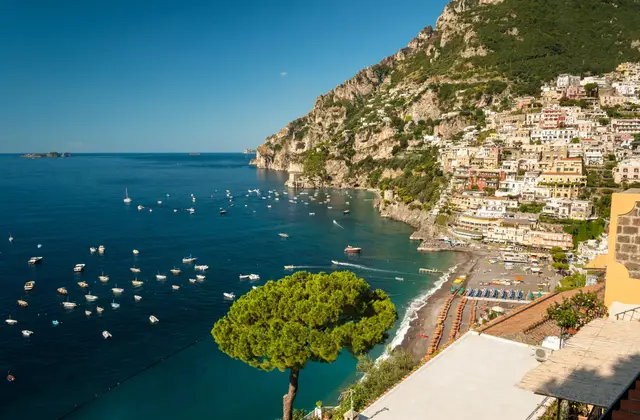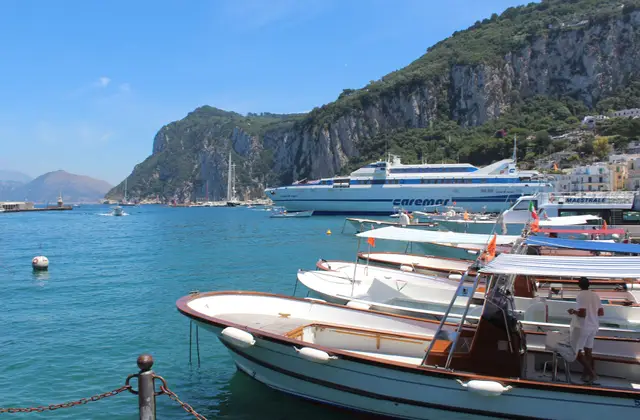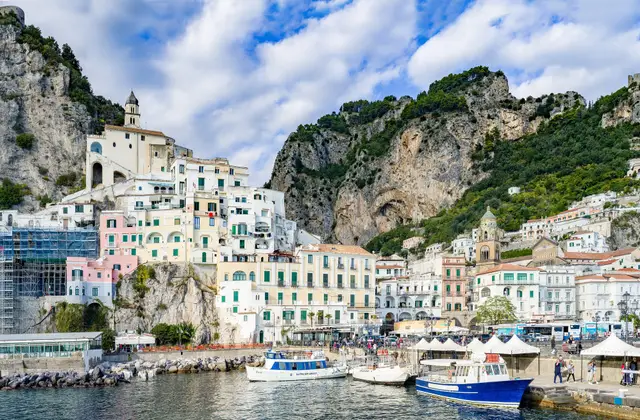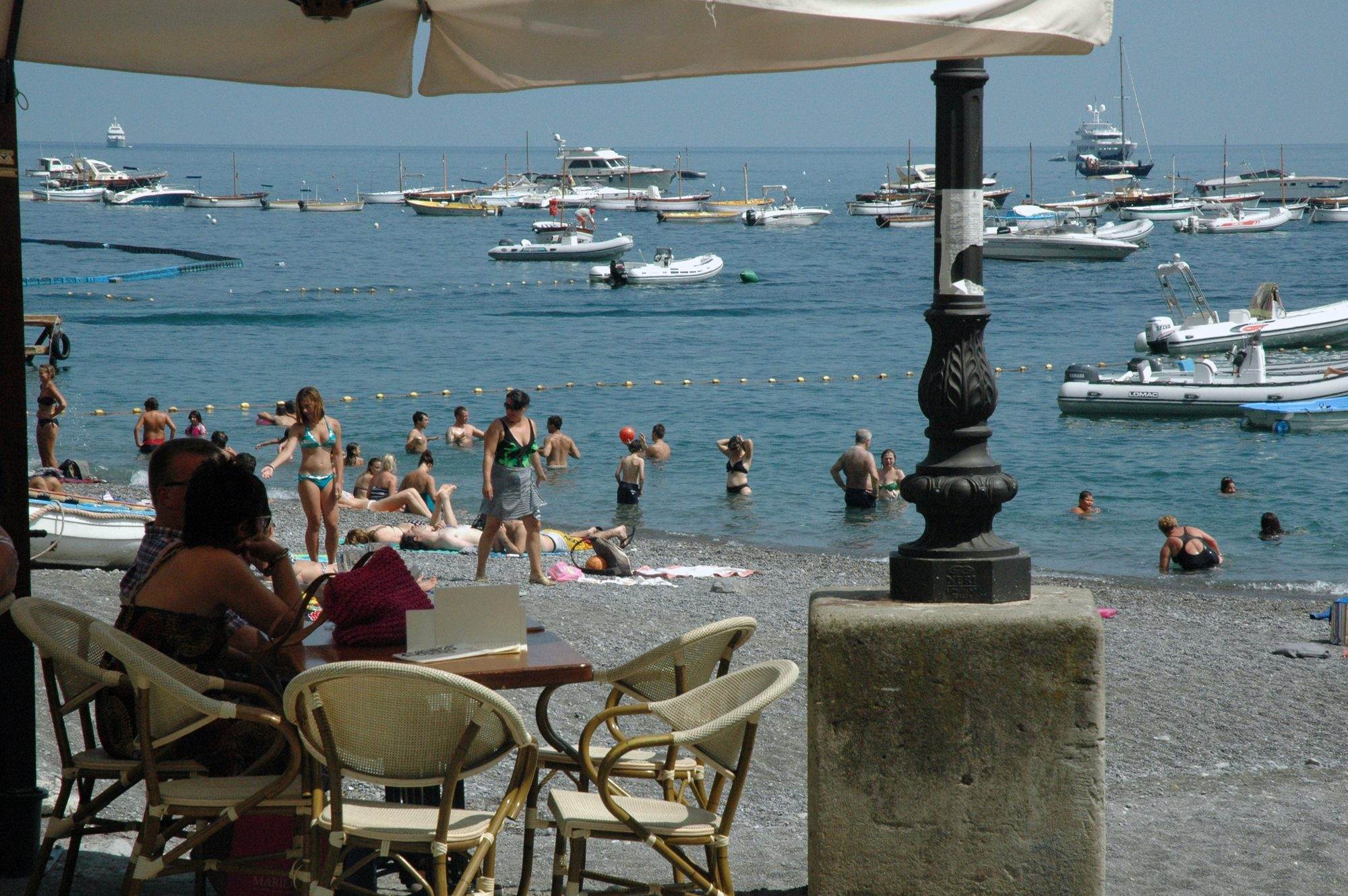
Hiring a boat on the Amalfi Coast works well for anyone who has held a wheel before and can read a wind forecast. For everybody else it is a day that either goes beautifully or ends with the boat pinned into the wind off Praiano at five in the afternoon. The boat is not what makes the difference: three or four rules do, and nobody explains them at the moment you sign.
This page lays those rules out — what you may drive without a boat licence, what half a day genuinely costs, where you may not go and where you may not anchor — and then tells you plainly when to give up on the idea and take a skipper instead.
Without a licence (senza patente): what Italian law actually says
You do not need a patente nautica (Italian boat licence) provided all of the following apply at once:
- the craft is up to 24 metres long;
- you stay within 6 nautical miles of the coast (about 11 km);
- the engine is no more than 30 kW, that is 40.8 CV (metric horsepower);
- engine capacity is within the legal limits: 750 cc for two-strokes, 1,000 cc for four-stroke outboards, 1,300 cc for four-stroke inboards and 2,000 cc for non-turbocharged diesels.
Six miles is more than enough on this coast: Positano to Capri is about 12 nautical miles, so Capri is out of reach for a licence-free hire boat leaving Positano. The Positano–Praiano–Fiordo di Furore–Amalfi run, on the other hand, stays close inshore the whole way.
Minimum age
The law sets 18 for handling craft over 10 metres, 16 for natanti (small craft) up to 10 metres and 14 for sailing dinghies. A 2026 reform introduced a junior certificate for sixteen-year-olds and confirmed the exemption up to 40 CV.
In practice, though, almost every rental firm on the coast requires you to be 18 or over with a credit card in the name of the person driving, because that is where the deposit is held. If your group is made up of students, check this point before booking: it is the most frequent reason a rental is refused at the desk.
What it costs: prices boat by boat
The most complete published price list on the coast is Lucibello's in Positano. These are the half-day rates it publishes for the season, with fuel, taxes and snorkelling gear already included.
| Boat | People | Half day |
|---|---|---|
| Marinello Eden 22 | 4 | €350 |
| Aprea 7.80 open | 7 | €350 |
| Faraglione 9 | 12 | €400 |
| Aprea Sorrento 32 / Apreamare 100 | 10–12 | €500 |
| Apreamare Gozzo 35 / Tornado 11 | 10 | €600 |
Grassi Junior, also in Positano, offers self-drive formats of 4 or 7 hours from around €312. Peer-to-peer rental marketplaces carry listings from around €94–117 a day and small RIBs from around €150 a day: those are real figures, but they refer to much smaller boats and often exclude fuel.
The sum per head. A €350 Marinello split four ways is €87.50 each, just under the €86–95 of a group tour with a guide and drinks included. A €400 Faraglione 9 split twelve ways drops to €33 each: at that point the financial advantage is obvious. The comparison with a skippered private tour is starker still and is worked through on the private boat tours page; the usual price benchmark is the private tour from Amalfi with prosecco at €715 per boat for six hours.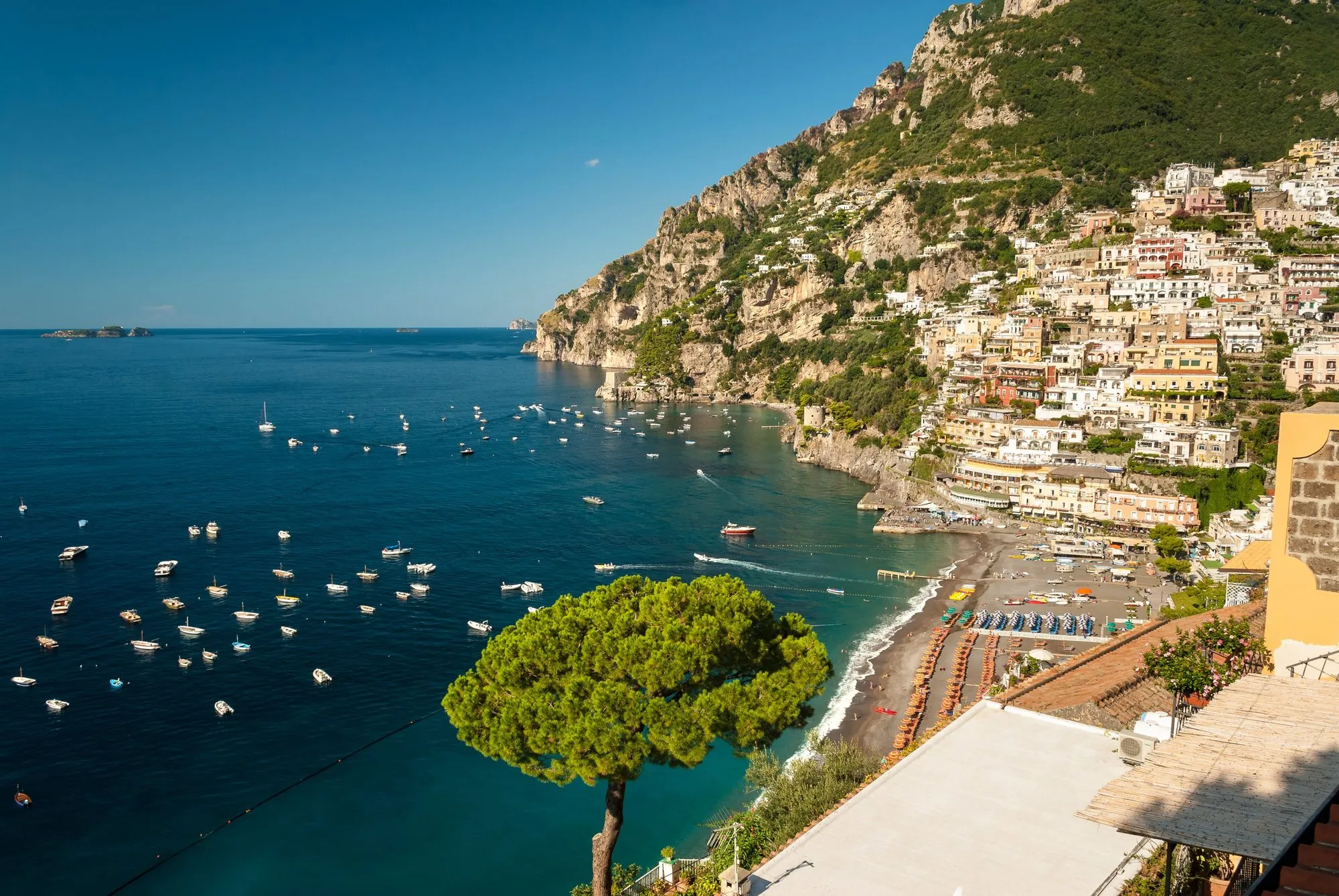 Positano's rental bases all work from the Spiaggia Grande pier: you walk down the stepped lanes from Viale Pasitea.
Deposit, fuel and the items that appear later
- Deposit. Practically every firm asks for one, held on the driver's credit card and released on return once the hull has been checked. Most bases do not publish the amount: ask first.
- Fuel. Lucibello includes it in the published price; many others charge for what you burn on return, with the tank refilled at the floating fuel station. It is the variable that most often blows the budget.
- Mooring. If you plan a lunch stop in Amalfi or at Marina di Praia, a berth for a few hours is charged separately.
- Insurance. Check that it covers the propeller and the hull, not just third parties: the seabed here is rocky and the coves have rocks close to the surface.
Where you may not go: the rules that count
200 metres from beaches, 100 from rocky shores
Bathing safety ordinance (ordinanza di sicurezza balneare) no. 37 of 15 May 2026, issued by the Salerno harbourmaster's office and in force from 16 May to 20 September that year, prohibits powered craft from coming:
- within 200 metres of beaches;
- within 100 metres of rocky shores.
A fresh ordinance is issued every spring and the dates shift by a few days, so check the one in force; the distances themselves have not changed in years. Only canoes and pedalos may enter those bands. The outer 300-metre line is marked by 80 cm orange buoys at the launch corridors; anyone swimming beyond the limits must tow a float with a diver's flag.
In plain terms: you cannot pull up on the beach at the Fiordo di Furore or on the beaches at Positano. You stop offshore, cut the engine, and swim in if you feel like it. It is the rule most often broken out of ignorance, and it is also the one the Guardia Costiera (Italian coastguard) checks hardest in August.
The Punta Campanella marine protected area
The reserve covers around 40 km of coast from Punta del Capo at Sorrento to Punta Germano, near Positano, and takes in Li Galli. The zones work like this:
| Zone | Where | What is prohibited |
|---|---|---|
| A | Vervece rock (Marina della Lobra), islet of Vetara | Access, navigation and anchoring: everything |
| B | Bay of Ieranto, Li Galli, Crapolla, Isca | Anchoring prohibited; transit allowed |
| C | The rest of the area | Anchoring only 08:00–20:00, at 100 m from beaches and 50 m from cliffs, never on Posidonia |
Speed is limited to 5 knots within 300 metres of the shore and 10 knots beyond. Fines run from €100 to €1,000. The awkward spot for anyone hiring in Positano is Li Galli: it is twenty minutes away, the temptation to drop the hook is strong, and that is precisely what you may not do.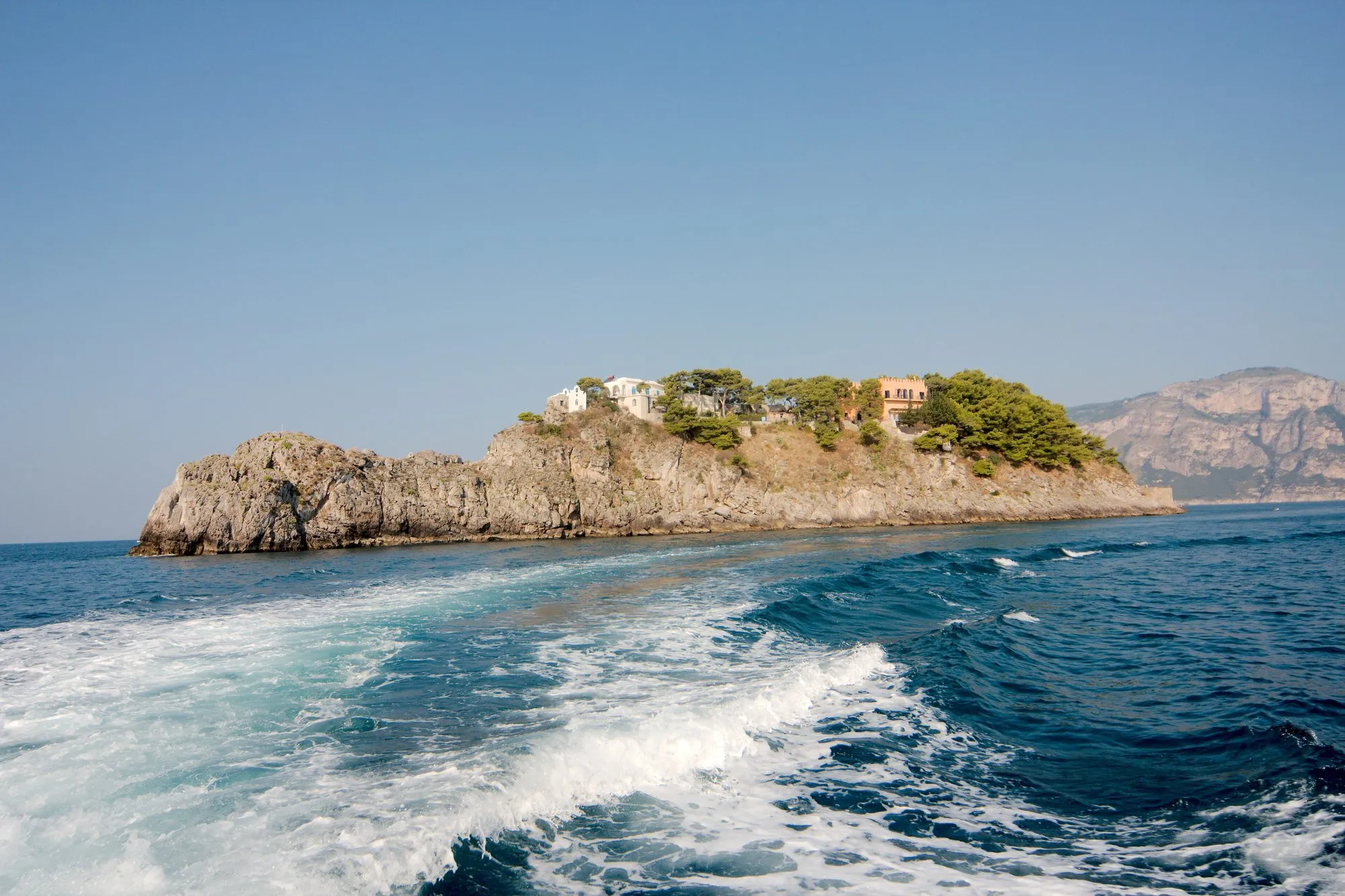 Li Galli sit in zone B: you may pass, you may swim, you may not anchor.
A half-day itinerary that genuinely works
Leaving Positano at 09:00, on a boat under 40 CV:
- 09:00–09:30 — Li Galli. The sea is nearly always flat at this hour. Engine at tickover within 300 m, no anchor.
- 09:30–10:15 — the Praiano shore and Marina di Praia. The cove below the Torre a Mare is about twenty minutes by boat from Amalfi and makes a good first swim, staying outside the legal limits.
- 10:15–11:15 — Fiordo di Furore. At kilometre 23 of the SS163, with the bridge thirty metres above the inlet. The tour boats arrive at 11: if you want it in peace, aim for 10:00. There is more on the Fiordo di Furore page.
- 11:15–12:00 — Conca dei Marini and the Emerald Grotto. Entry costs €7 per person and it opens 10:00–16:00, but with a hire boat you have to stay outside and transfer to the operators' own rowing boats. The differences between the area's two famous caves are explained on the Blue Grotto and Emerald Grotto page.
- 12:00–13:00 — home. Before the afternoon thermal breeze gets up.
On this route you stay within a few miles of the shore throughout and never go near the six-mile limit.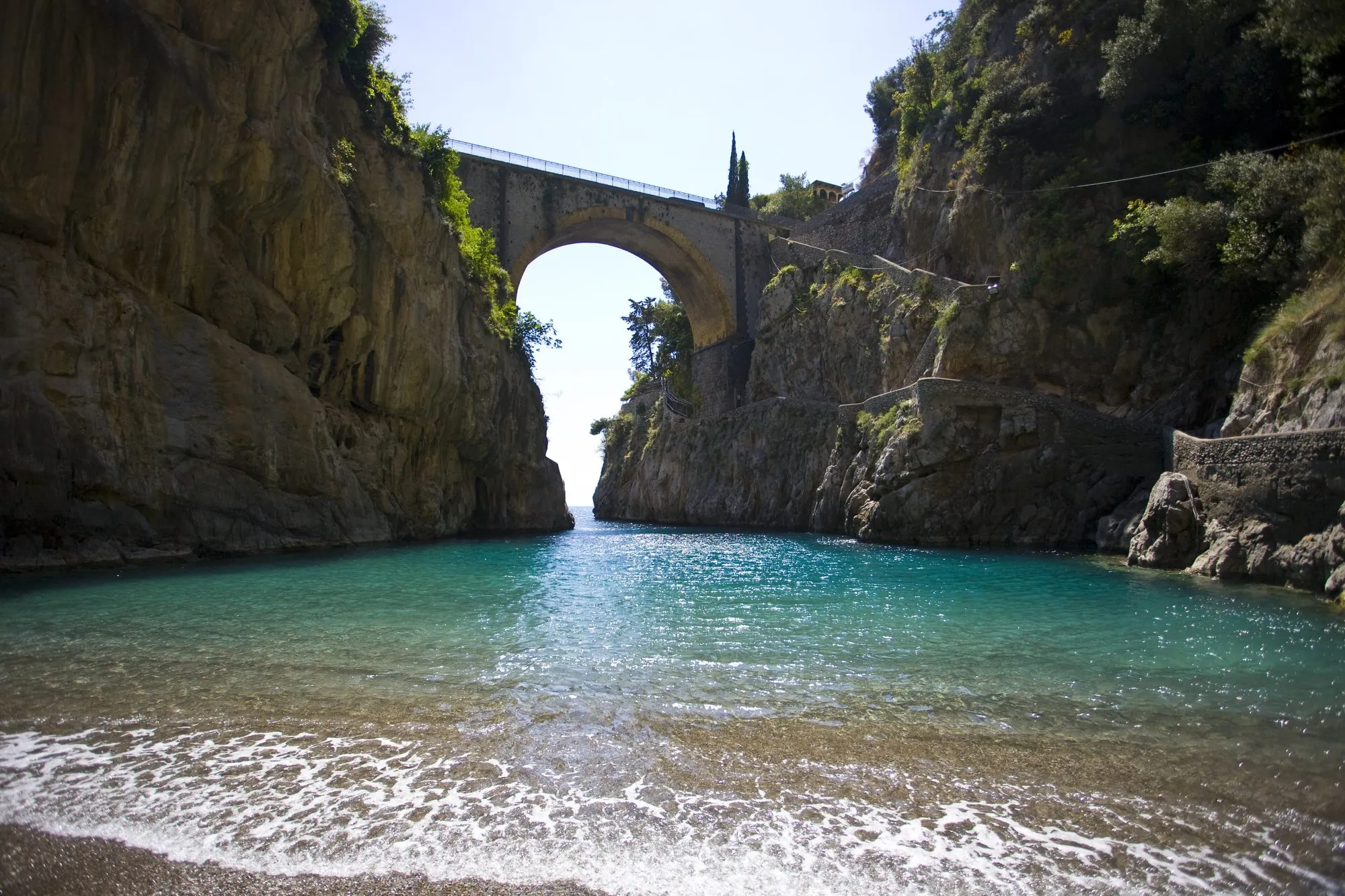 The fjord at 10:00 is a different place from the fjord at 11:30: leaving early is the real trick of a hire day.
When to give up and take a skipper
Hiring is the right call if there are at least four of you, someone has been on a boat before, and the idea of handling moorings, wind and timings amuses you rather than stresses you.
It is the wrong call if:
- the forecast shows more than 15 knots from the west: the run back to Positano becomes long and wet;
- you have small children: with no awning and no loo on board, four hours is a long time;
- you want to see Capri: it lies beyond the six-mile limit from Positano and outside the reach of a licence-free hire. For the island you need a ferry or a skippered boat, as explained in Capri from Amalfi by boat;
- you only want speed: two hours of private speedboat with a driver cost €360 per boat and cover Positano, Praiano and the fjord with nobody having to steer. Have a look at the speedboat tour from Positano or Praiano before deciding.
Paperwork, checks and small obligations
Take photo ID and the driver's credit card. The rental firm hands over the hire declaration and the boat's papers: keep them on board, because that is what the Guardia Costiera asks for at a check. Before you slip the lines, make sure there are lifejackets for every passenger, a signalling device and a fire extinguisher, and get them to show you how the anchor locker works.
Save the base's number in your phone: if the engine will not restart or you start taking water, the first call is to them, not to the coastguard's 1530 line, unless it is a genuine emergency.
Anyone who wants to understand how the companies that hire out these boats are organised, and what to ask before paying, will find the picture on the Amalfi Coast operators page. Anyone thinking about bigger boats with crew is already in yacht charter territory.
Boat rental on the Amalfi Coast is still the freest way, and in a group the cheapest way, to see this coast from the water — as long as you respect the 40.8 CV ceiling, the six-mile limit and the approach distances. If you would rather someone else did the driving, compare prices and availability for boat trips on the coast and pick the format that suits your group.