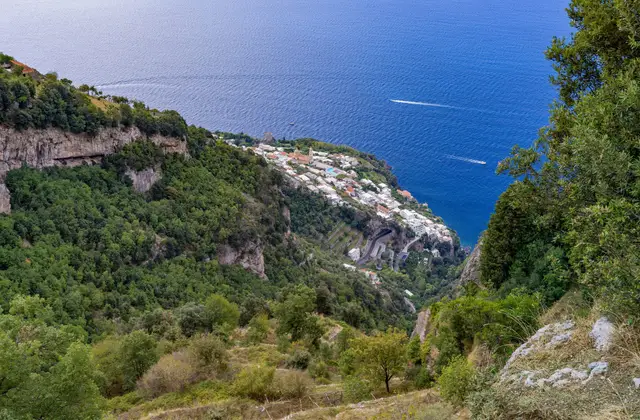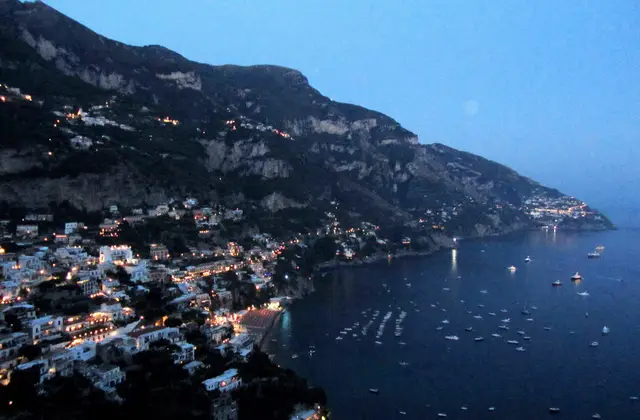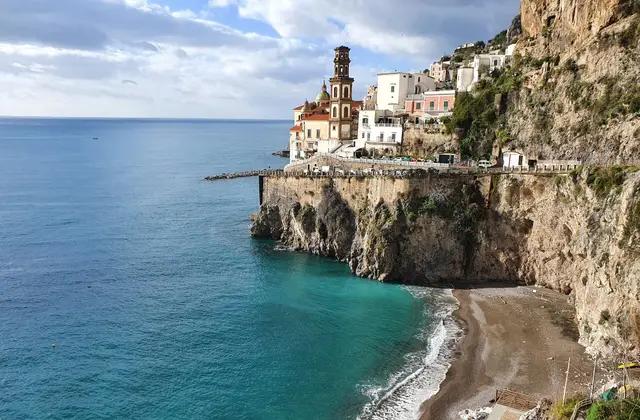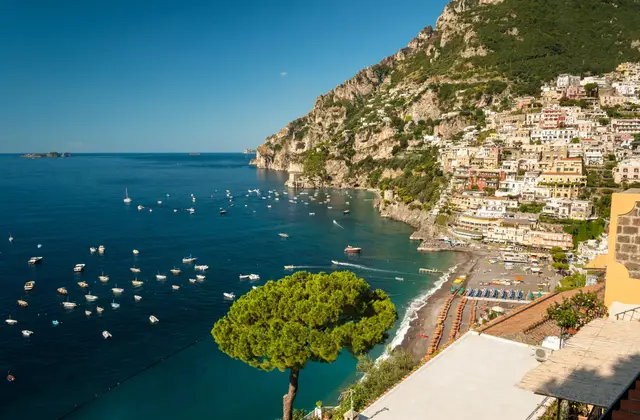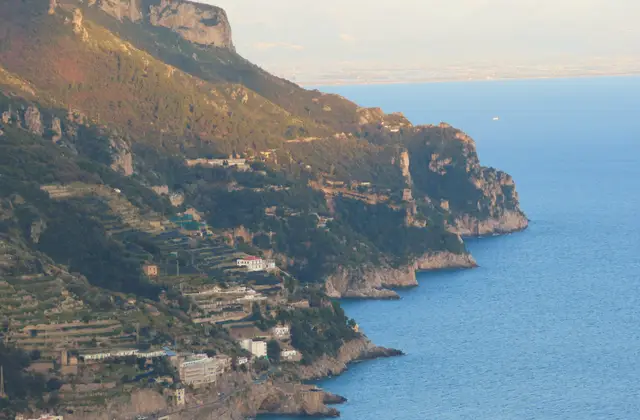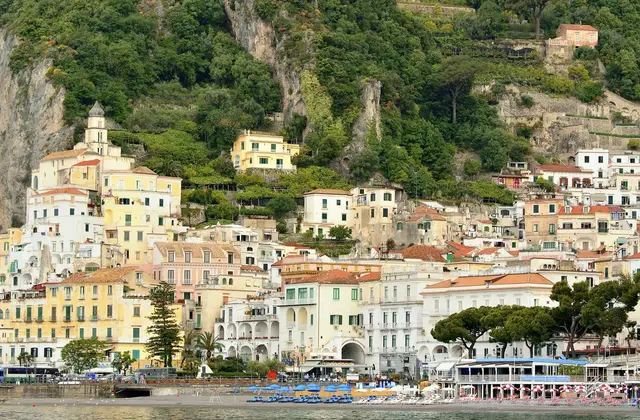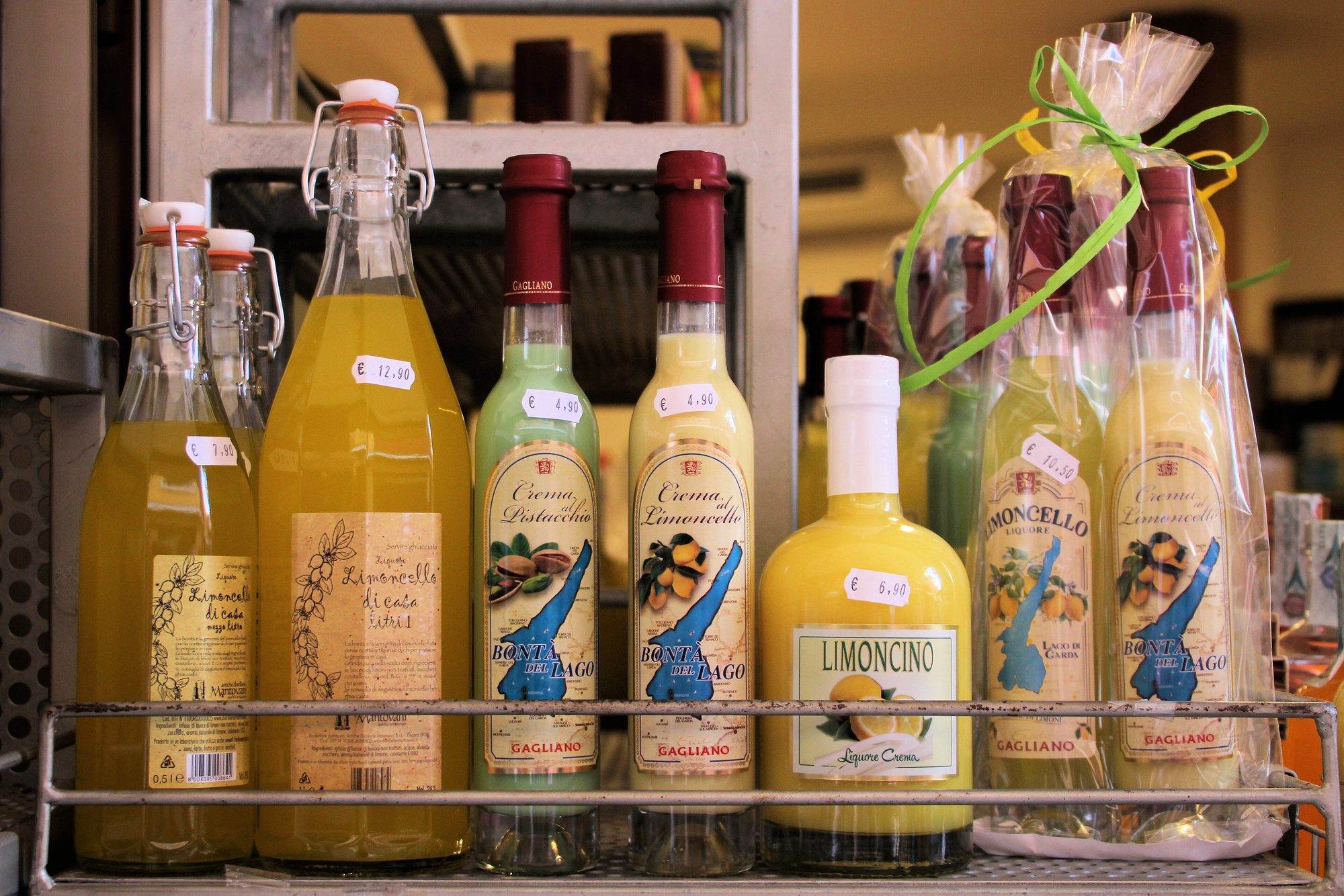
Amalfi Coast cooking is not simply generic seafood. It is what comes out of vertical terraces, a lemon with its own IGP mark and a tradition of preserving fish that earned DOP protection in 2020. Arrive thinking "pizza and limoncello" and you miss the interesting part, which sits 500 metres up in the vineyards of Furore and inside the wooden barrels of Cetara.
This guide separates what is certified from what is marketing, says where you can actually taste and what it costs, and explains how to fit wineries and restaurants around boat timetables. The prices below come from producers' own websites and from market checks made.
The wines of Costa d'Amalfi DOC
The Costa d'Amalfi appellation was created in August 1995 and covers the coast's 13 municipalities. It has three subzones, each with a distinct character.
| Subzone | Area and altitude | What to look for |
|---|---|---|
| Furore | about 35 ha, pergola vines up to 500 m | Taut, mineral whites; Marisa Cuomo's Fiorduva from Fenile, Ginestra and Ripoli |
| Ravello | south-east facing terraces | Whites from Falanghina and Biancolella, elegant reds |
| Tramonti | inland, volcanic soils | Reds from Tintore (minimum 20% in the subzone), ungrafted vines |
The whites are built on Falanghina (known locally as Biancazita) and Biancolella (Biancatenera), with the rare Fenile, Ginestra, Pepella and Ripoli grapes added. The reds rest on Piedirosso, Aglianico and Sciascinoso.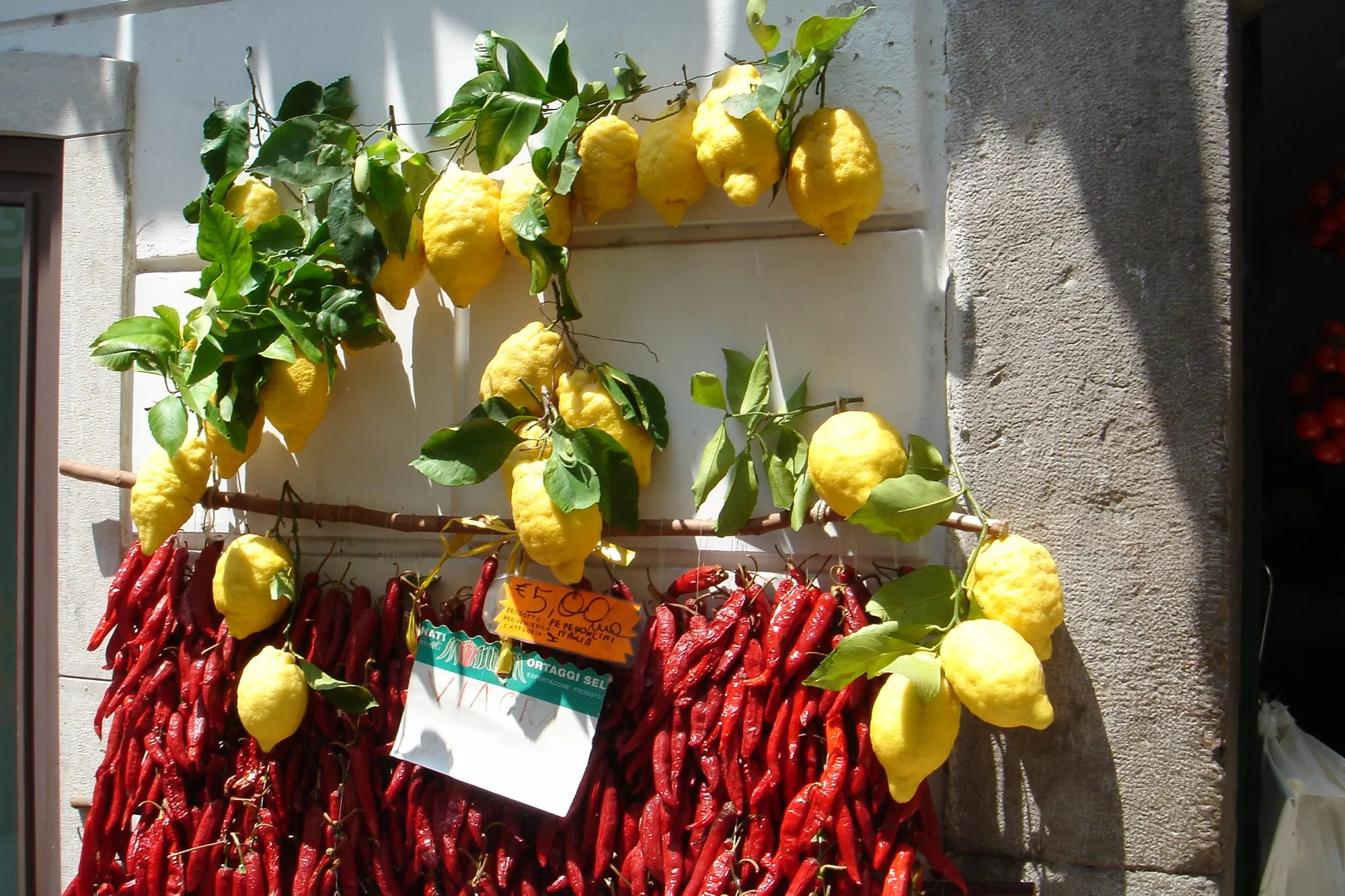 The sfusato amalfitano: thick, intensely fragrant peel, and the base of IGP limoncello.
Two wineries that genuinely take visitors
Marisa Cuomo, Furore, Via G.B. Lama 16/18. Founded in 1980, about 10 hectares at 500 metres. The visit to the cellar carved into the rock is free and shared with other guests, starting at 09:00 or 10:00 by reservation; tastings with food pairings start at €60 per person. The official site gives opening hours of Monday to Saturday 09:00–18:00 and Sunday 09:30–14:30 to the end of the season in late October. It stands in the same municipality as the Fiordo di Furore, so a morning in the cellar and an afternoon on the water works nicely.
Tenuta San Francesco, Tramonti, Via Fieccia. Founded in 2004, it farms pre-phylloxera Tintore vines 300 to 500 years old. The tour includes a tasting of three Costa d'Amalfi DOC wines with panzanella, mozzarella, cheeses and cured meats; there are also formats with lunch and a cooking class. Advance booking is compulsory.
The sfusato lemon and limoncello
The Limone Costa d'Amalfi has held IGP status since 2001; the protection consortium was formed on 3 October 2002 and recognised by ministerial decree on 29 July 2003. Production is permitted in twelve municipalities: Amalfi, Cetara, Conca dei Marini, Furore, Maiori, Minori, Positano, Praiano, Ravello, Scala, Tramonti and Vietri sul Mare.
Beware one widespread misunderstanding: limoncello itself has no protected designation. What is protected is the fruit. So there is only one question worth asking over the counter:"is it made with IGP sfusato?" Producers who take it seriously say so on the label.
You can walk through the terraces yourself on the Sentiero dei Limoni (Lemon Path) between Maiori and Minori, an easy hour and a half that explains better than any sign why this lemon costs what it costs.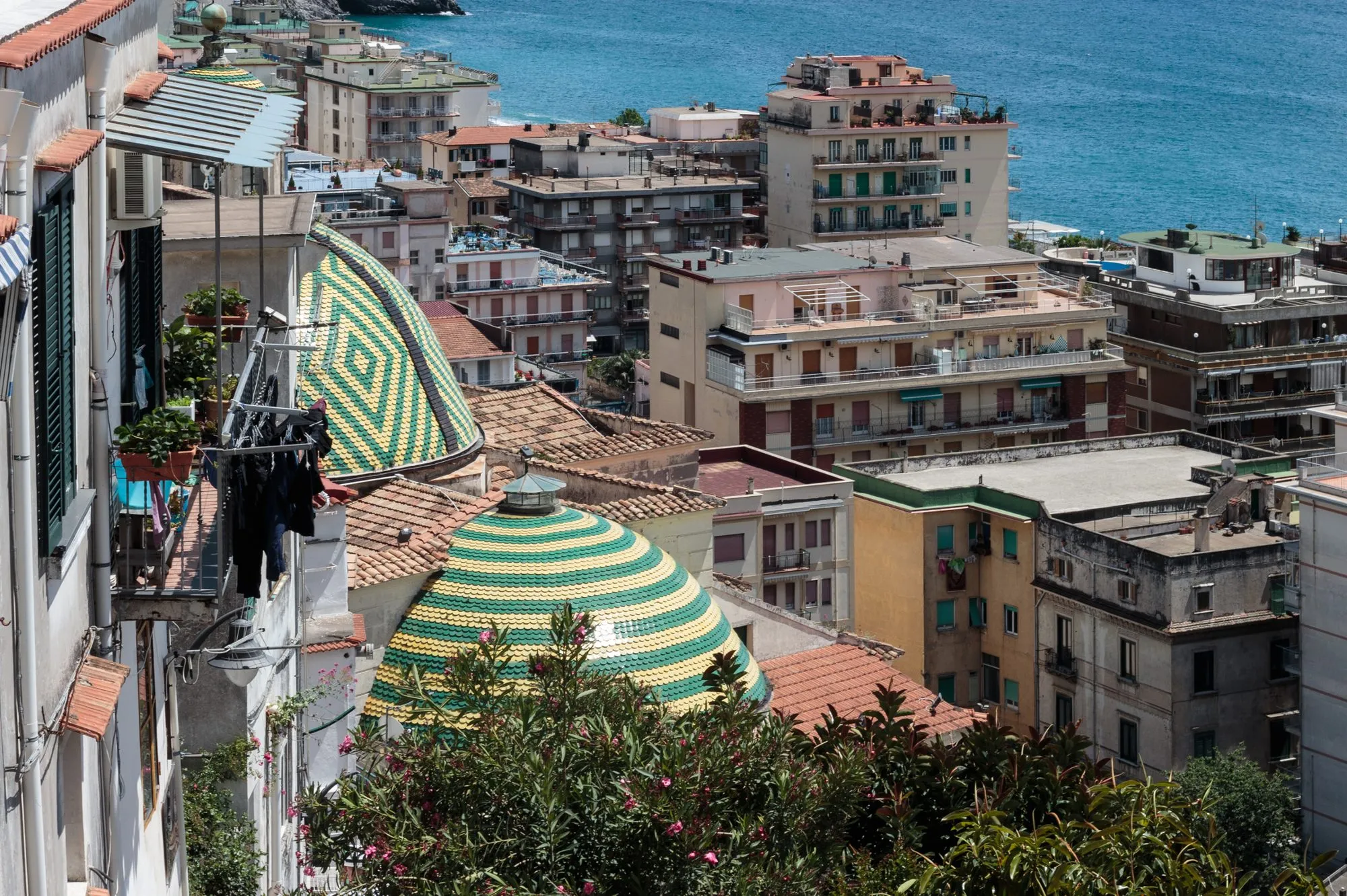 Chestnut poles hold up the lemon groves: everything by hand, no machinery possible.
Colatura di alici from Cetara
Cetara is a real fishing port, not a stage set. Colatura di alici (anchovy sauce) is the amber liquid drawn off anchovies salted within eight hours of the catch, taken within 12 miles of the Salerno coast and matured for nine months in terzigni, the small wooden barrels. The DOP was registered on 21 October 2020, making it Campania's first DOP fishery product.
A 100 ml bottle costs €15–40. Use it raw, off the heat, over spaghetti with garlic, oil and parsley. Cetara has a Travelmar landing stage, so you can reach it by ferry from Salerno (€7.50) or Amalfi (€9), on the fares published by Travelmar.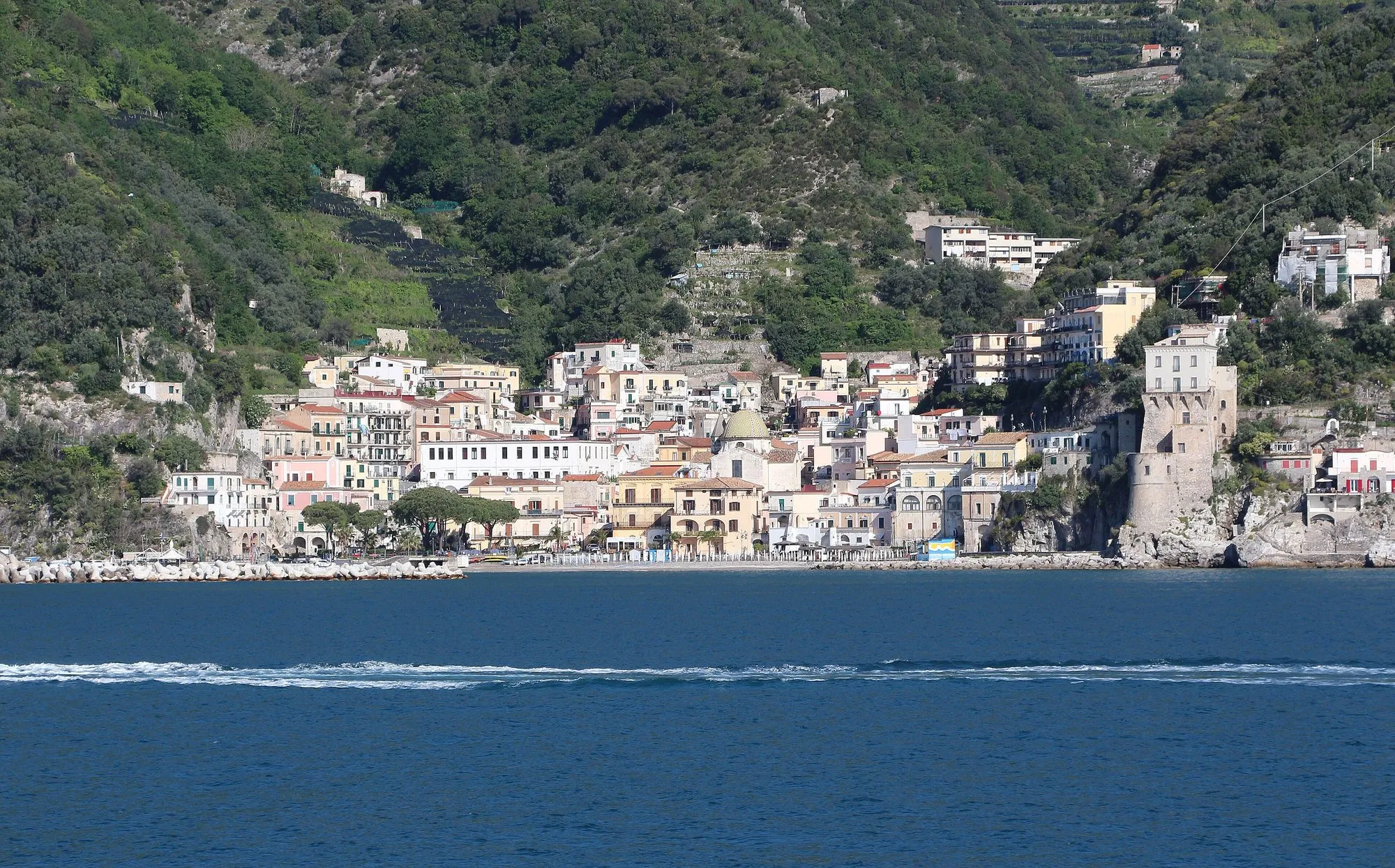 Cetara harbour: the fleet that keeps the colatura barrels supplied.
Puddings: the delizia al limone
The delizia al limone (lemon delight) is a sponge dome filled with lemon custard, limoncello and cream. It was created in 1978 by Carmine Marzuillo and became an emblem of the coast through Sal De Riso's pasticceria at Minori. Minori is five minutes by ferry from Amalfi (€5 on Travelmar's published fares): the cheapest half-day outing on the coast.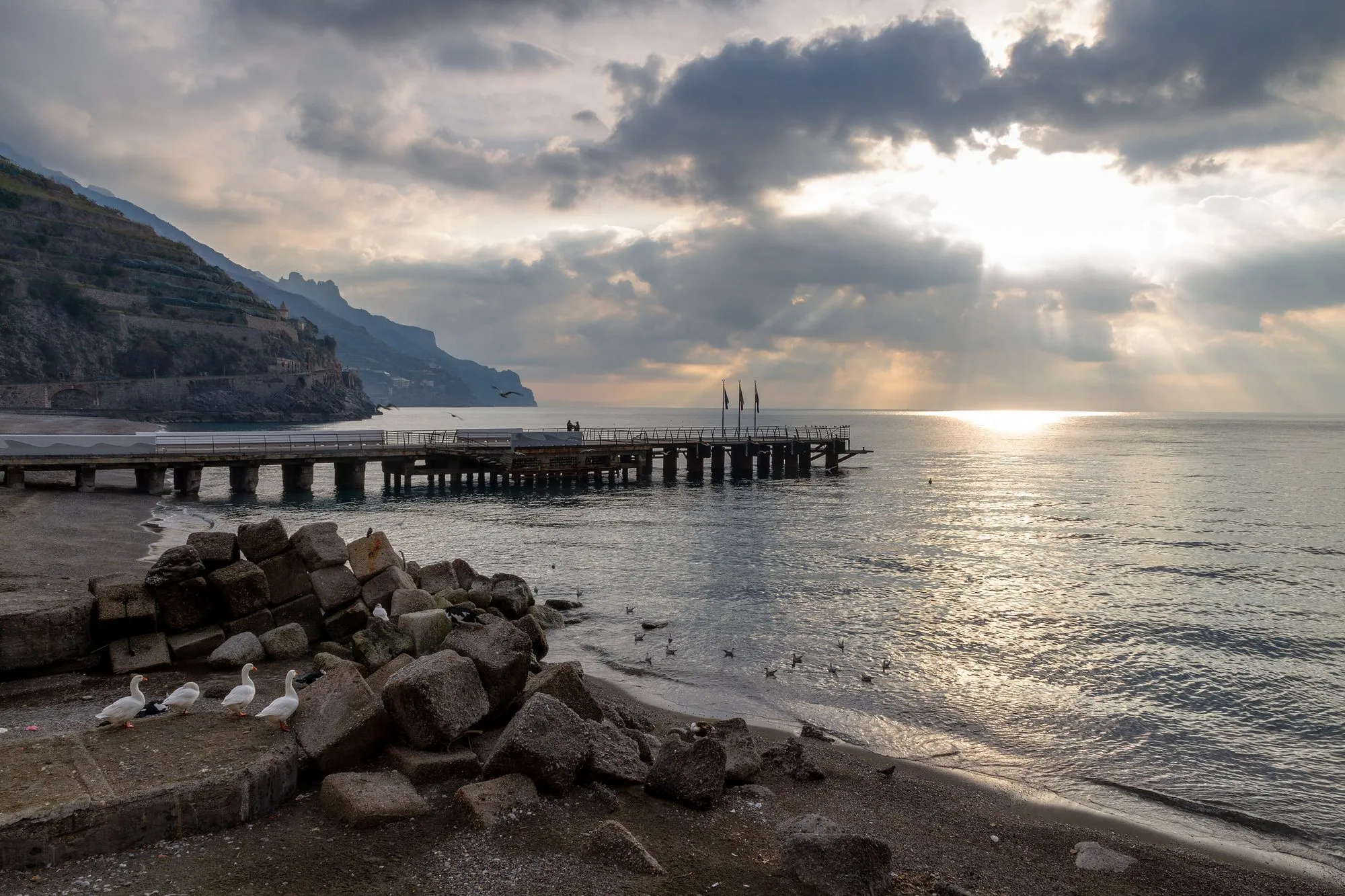 Minori, the coast's self-declared "city of taste": pastry shops a minute from the ferry landing.
What you will spend at the table
| Item | Indicative price |
|---|---|
| Espresso at the bar | €1.10–1.50 |
| Espresso at a table with a Positano view | €3–5 |
| Lunch in a trattoria | €20–30 per person |
| Three courses at dinner in Amalfi | €30–60 per person |
| Three courses at dinner in Positano | €40–75 per person |
| Tasting with food at a winery (Marisa Cuomo) | from €60 per person |
| 100 ml bottle of DOP colatura | €15–40 |
Cooking classes: what can be checked and what cannot
The best-known school is Mamma Agata at Ravello: arrival at 10:00, demonstration from 10:30 to 13:30, a walk round the garden and lunch on the terrace, apron and recipe book included. The price is not published on the official site: the figures circulating in reviews are indicative and should be confirmed by email before you book.
Tenuta San Francesco at Tramonti instead pairs its class with a tasting of its own wines, again with advance booking.
Eating when you arrive by sea
Plenty of cove restaurants are easier to reach by boat than on foot. A group trip with swim stops and drinks on board, such as the four-hour outing from Maiori at €135 per person (price on GetYourGuide, checked), leaves the evening free for dinner ashore. If you would rather link Positano and Amalfi in a single day with transfers included, look at the trip from Sorrento, which takes the parking problem off your hands entirely.
If you hire a boat yourself you can anchor offshore and go in to eat, but remember the navigation limit of 200 metres from beaches: see the guide to boat rental for the rules and the costs.
When to come for the food
- May–June: artichokes, fresh anchovies, lemons at their most fragrant, every restaurant already open and tables still easy to get.
- September–October: harvest up in the hills, the sea still at 24.9 °C in September, accommodation prices falling. The best window for combining a winery with a boat.
- July–August: everything open, everything full, booking essential even at lunchtime. Worth it only if your tables are already fixed.
- November–March: much of the coast closes; wineries still receive visitors by appointment and the place is empty.
To build a week around these windows, the trip planning guide lines up itineraries and budgets.
How to spend less without eating worse
- Big lunch, light dinner: the same dishes cost less at midday.
- Move by ferry: Amalfi–Minori €5, Salerno–Cetara €7.50. You eat in the smaller towns at small-town prices.
- Buy colatura, Gragnano pasta and limoncello from producers, not from the shops along Amalfi's main street.
- The Furore cellar visit is free: you only pay if you add the tasting.
- Outside the peak months many restaurants offer fixed menus that vanish in August.
After dinner the coast changes gear, though not in the way many people expect: the nightlife is aperitivi and a couple of long-standing venues, not clubbing. If you want to end the day on the water instead, a sunset cruise is the best way to see Positano in good light.
Amalfi Coast food and wine rewards whoever books ahead and whoever moves around: two phone calls, one to a Furore winery and one to a restaurant in Minori, are worth more than ten reviews skim-read at speed. Once the meals are fixed, pick the boat trip that completes the day and compare what is running in the selection of Amalfi Coast tours or straight through the Amalfi Coast experiences on GetYourGuide.