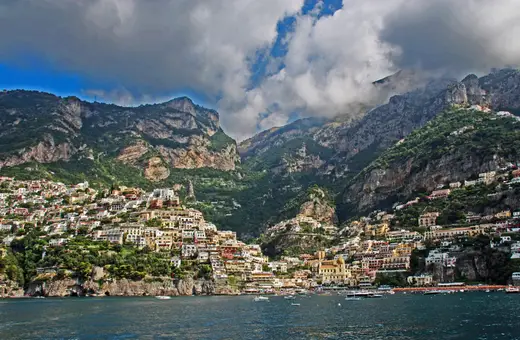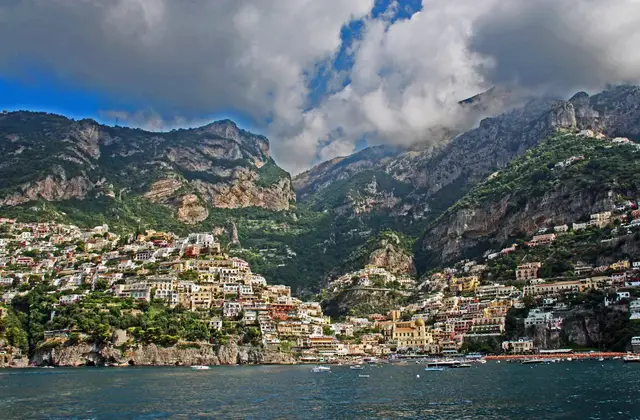
Deciding what to do on the Amalfi Coast is mostly a problem of time. Thirteen towns strung along some fifty kilometres of road, a constant climb between sea level and six hundred metres, and a single carriageway that moves at walking pace in August. The risk is spending your holiday in a queue between one good idea and the next.
What follows is a considered list of seventeen things that genuinely repay the time they cost, split between the water, the footpaths and the towns, with tickets and hours checked. The rule that holds it all together: one thing on the water in the morning, one on land in the afternoon, and never more than two towns in a day.
On the water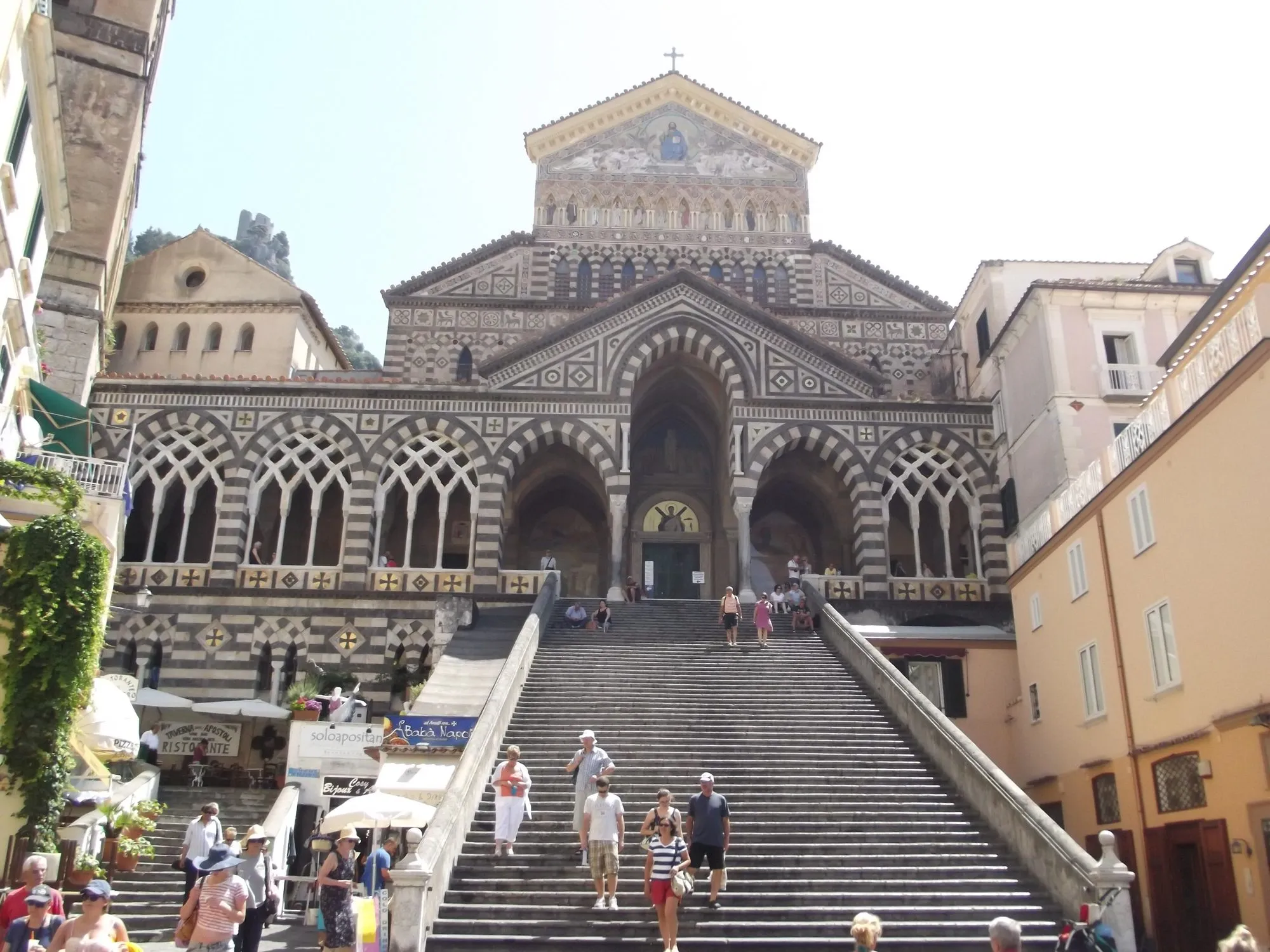
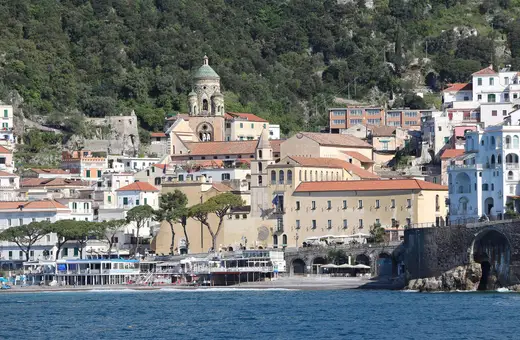
Amalfi: it is five minutes on foot from the cathedral steps to Molo Pennello.
1. A boat trip along the coast. This is the thing that changes the trip. The cliffs, the ravines and the towns sunk into them only make sense from outside. The two-hour trip from Amalfi towards the Fiordo di Furore costs €36 per person and is the cheapest way onto the water; the snorkelling trip from Positano goes up to €95 but runs as long as eight hours with two swim stops. The full comparison of formats is in Amalfi Coast boat tours.
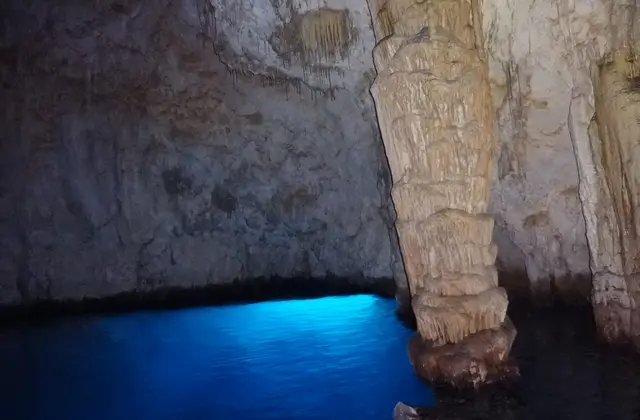
2. The Grotta dello Smeraldo (Emerald Grotto) at Conca dei Marini: €7 entry, open 10:00–16:00, twenty minutes in a rowing boat. Do not confuse it with the Blue Grotto on Capri, which is another place entirely: the difference is explained in Blue Grotto and Emerald Grotto.
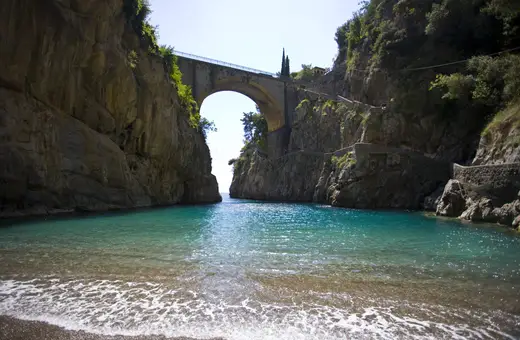
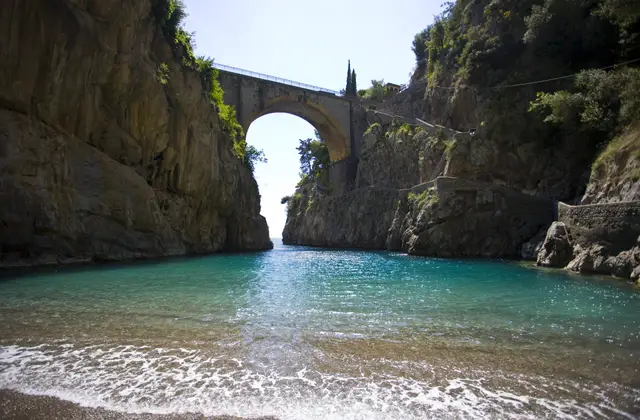
3. The Fiordo di Furore, at km 23 of the coast road. Free to enter, a tiny beach, a bridge thirty metres above your head. You get there down the staircase or by sea: the details are in Fiordo di Furore.
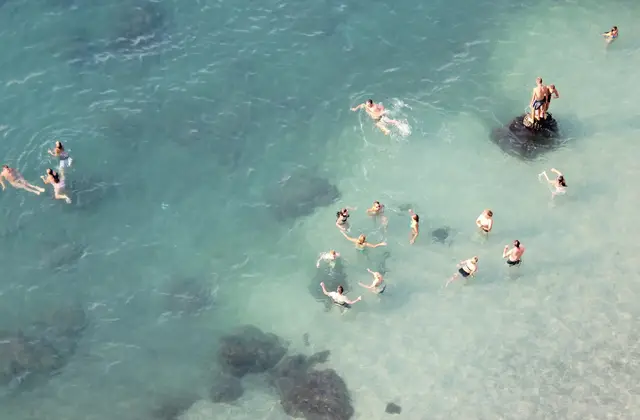
4. A snorkelling stop at Li Galli or Capo di Conca. Rock and seagrass rather than coral reef, but glass-clear water on a calm morning. The best spots and the rules in the water are in snorkelling on the Amalfi Coast.
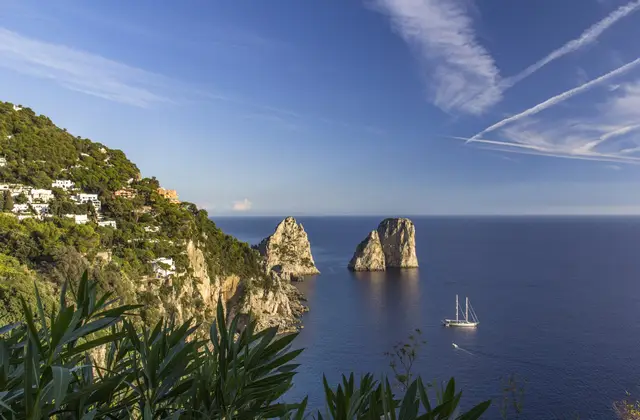
5. Capri for the day. Ferry from Amalfi at €23 each way, fifty minutes, plus a €5 landing tax from 1 April to 31 October. The Faraglioni, the Piazzetta, and the Blue Grotto if the sea allows: all of it in Capri by boat from Amalfi.
6. A well-chosen day on a beach. In Positano a sunbed and parasol costs €25–40 per person at Spiaggia Grande and from about €15 at Fornillo; Arienzo is three hundred steps down or a short boat shuttle; Laurito can only be reached by boat. The full picture of jetties and coves is in boat tours from Positano.
On foot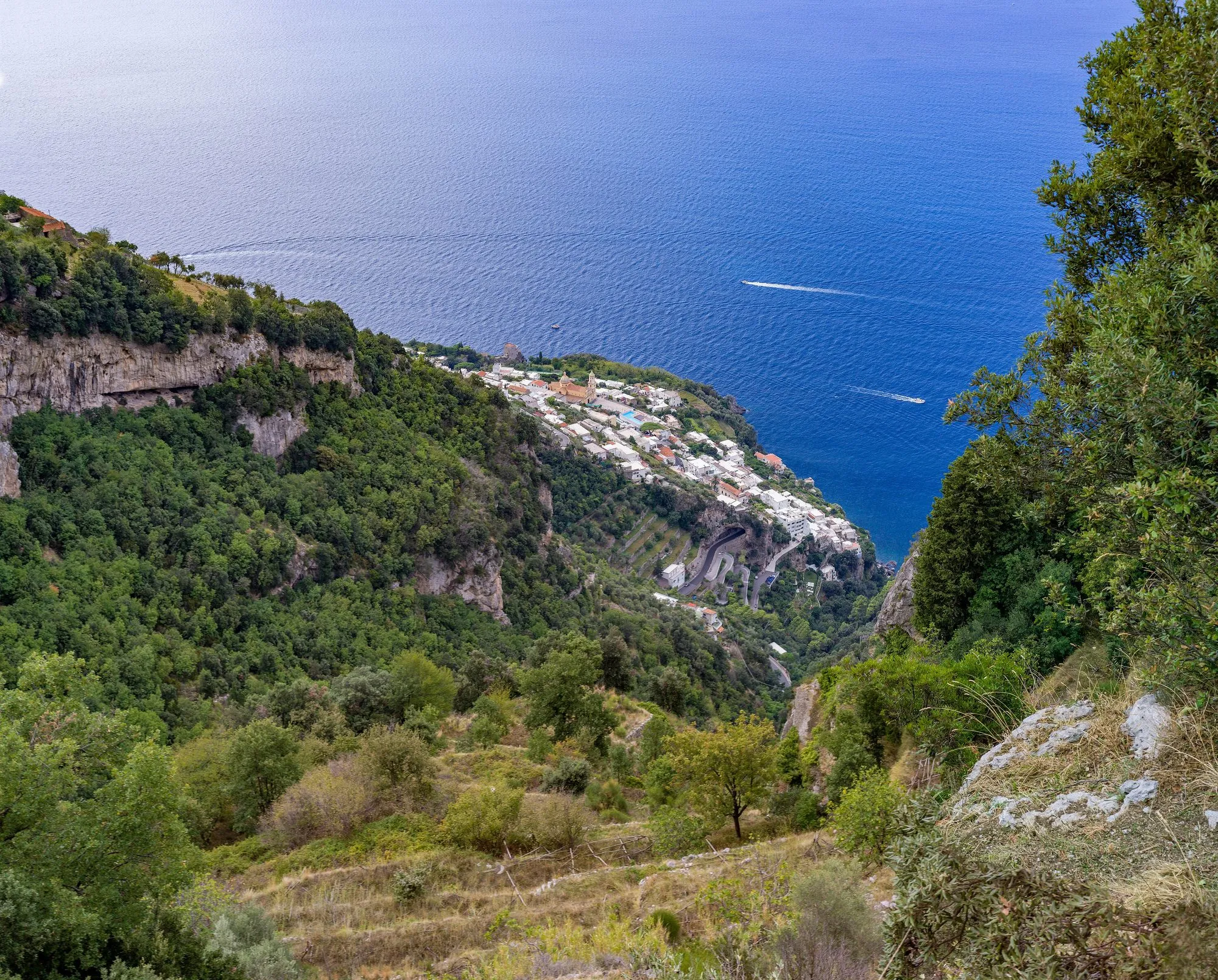
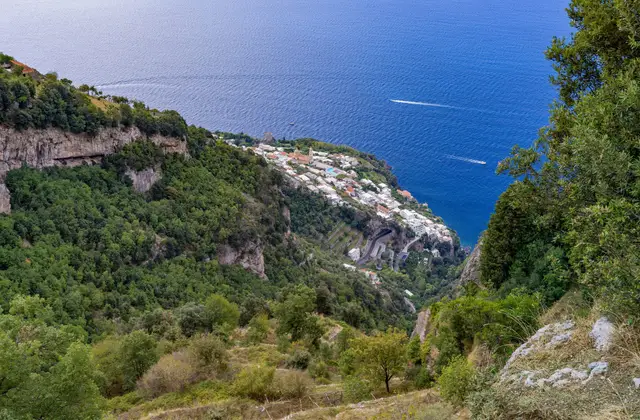
The Sentiero degli Dei: from Bomerano to Nocelle, with the coast under your feet the whole way.
7. The Sentiero degli Dei (Path of the Gods). From Bomerano di Agerola to Nocelle on the CAI 27, about 4.5 km, then a further 1.7 km and roughly 1,700 steps down into Positano: three to four hours in total. From Amalfi the SITA bus up to Agerola takes about forty minutes. Walk west to east so the light is behind you and the descent is on the right end.
8. The Sentiero dei Limoni (Path of the Lemons) between Maiori and Minori. It starts at the Collegiata di Santa Maria a Mare, crosses the lemon terraces and the hamlet of Torre: an hour and a half to two hours, easy, with the sea always below you. Variants and height gain are in coastal footpaths.
9. The Valle delle Ferriere above Amalfi. A state nature reserve, €5 entry with a compulsory guide, groups of twenty every half hour, weekdays 10:00–15:00 and weekends 09:30–16:00; free for under-12s and over-65s. Tree ferns, waterfalls and the ruins of the old ironworks.
10. The Torre dello Ziro above Atrani: a short, steep climb to a watchtower looking straight down on Amalfi and Atrani. Free, no facilities, and the best viewpoint over the gulf if you are taking photographs. The other compositions that work are in Amalfi Coast photoshoots.
In the towns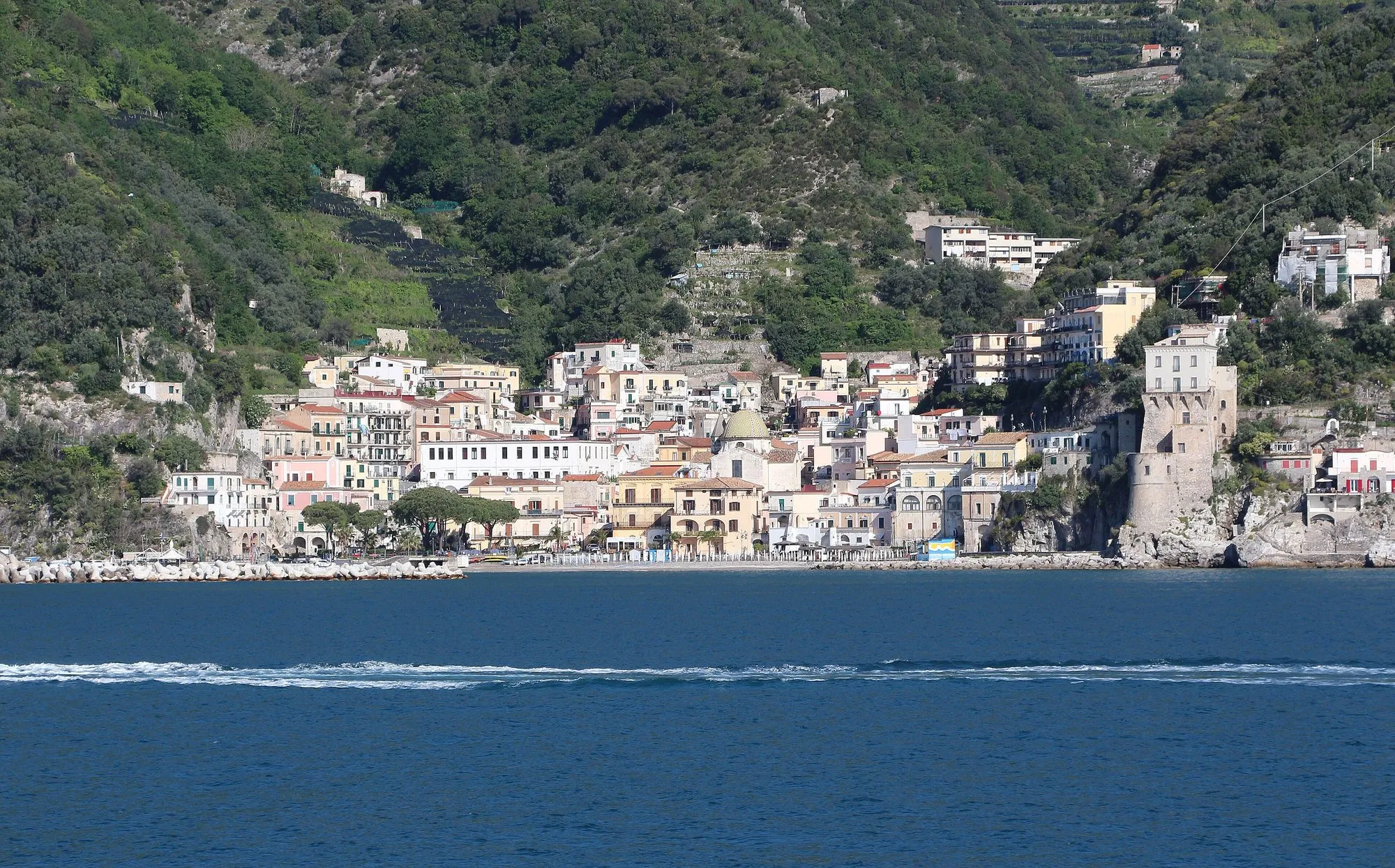
Cetara: a fishing town and the home of colatura di alici DOP.
11. The cathedral complex in Amalfi, with the Cloister of Paradise, the Basilica del Crocifisso, the crypt of Sant'Andrea and the museum. Hours are 09:00–18:45 from March to June, 09:00–19:45 from July to September, and 10:00–13:00 plus 14:30–16:30 from November to February. On the ticket, official sources disagree between €3.00 and €4.00 for adults, with €2.00 for ages 6–17.
12. The Paper Museum in Amalfi, at Via delle Cartiere 23: open daily 10:00–19:00 from 1 March to 2 November, last entry 18:20; €7 for adults and €4 for children and students, guided visit included. It is the best thing to do in the rain.
13. Villa Rufolo in Ravello. Full ticket €8, groups of fifteen €7, over-65s and children aged 5–12 €6; guided visits are included in the ticket. Open 09:00–21:00 in summer and 09:00–16:00 in winter, with altered hours during the festival.
14. Villa Cimbrone and the Terrace of Infinity, also in Ravello: €7, open all year from 09:00 until sunset. It is the view that appears on half the photographs of this coast.
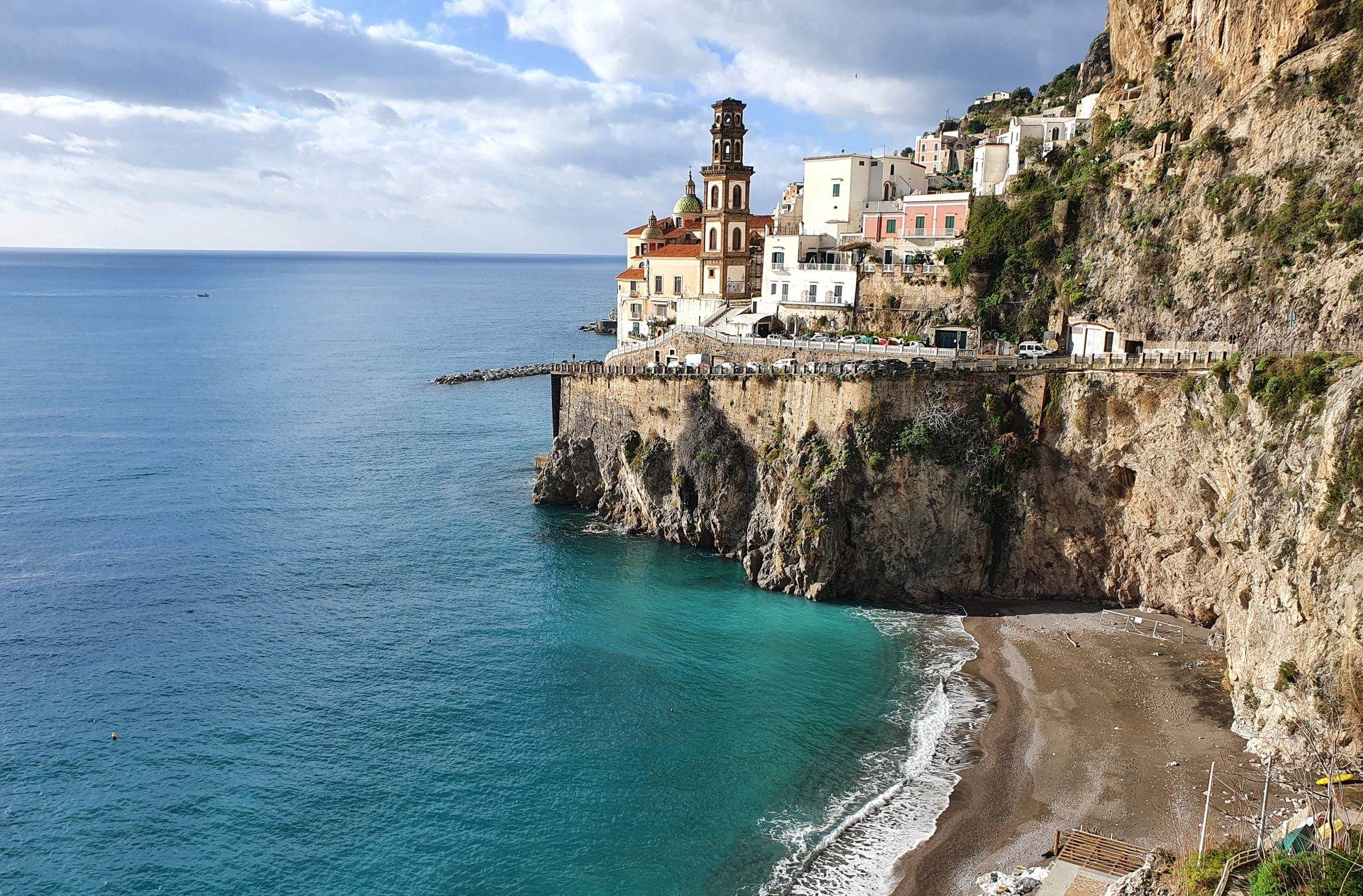
15. Atrani, the smallest town by area on the Italian mainland: one square, one beach, no coach parties. Ten minutes' walk from Amalfi through the tunnel.
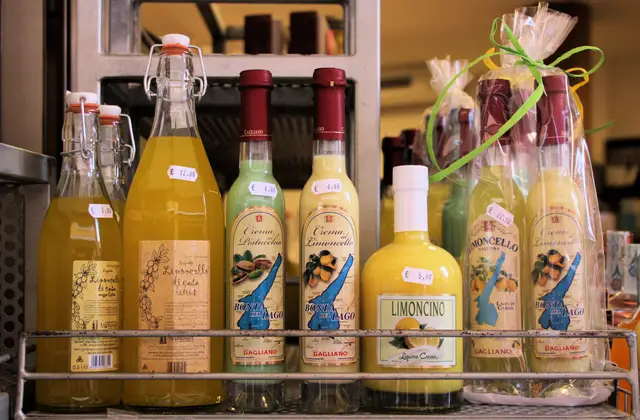
16. Cetara, a fishing town and the home of colatura di alici DOP, the anchovy sauce registered on 21 October 2020: a 100 ml bottle costs between €15 and €40. Everything culinary on the coast is gathered in food and wine.
17. Vietri sul Mare, the eastern gateway to the coast and the capital of Campanian ceramics: workshops, majolica domes and prices far more reasonable than the shops in Positano.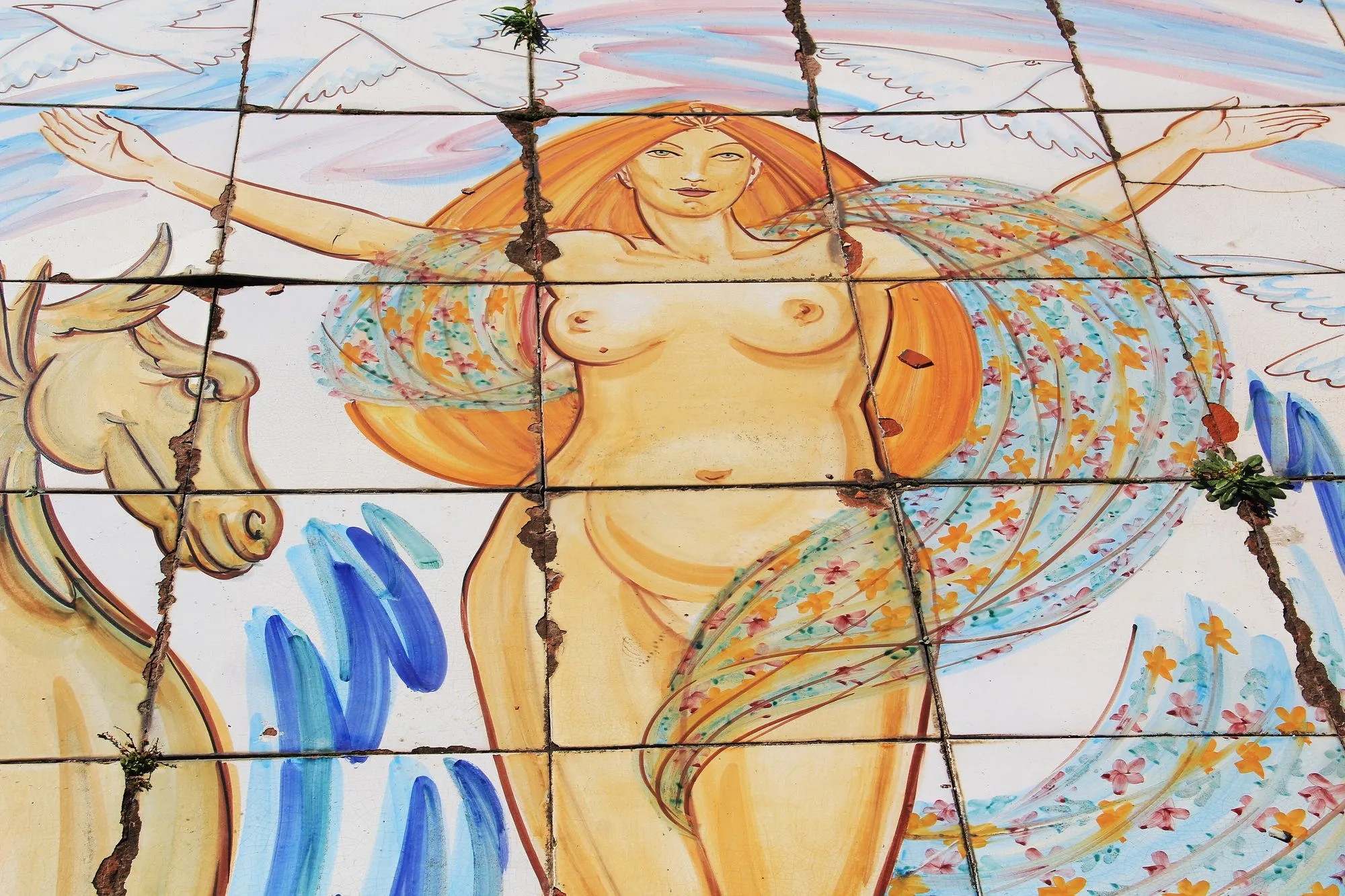 Vietri sul Mare: ceramics and majolica domes at the eastern entrance to the coast.
Events worth timing your trip around
- The feast of Sant'Andrea in Amalfi, on 27 June: a procession down to the shore, the blessing of the sea, and the bearers running the statue up the cathedral steps.
- The Ravello Festival, from early July to early September at the Villa Rufolo Belvedere. A typical edition runs from early July to early September with around 22 concerts, tickets €20 to €60, jazz at €40 and under-26s at €20 at the door, and a sunrise concert on 11 August at 05:15 that sold out. The dates move each year, so check the official programme.
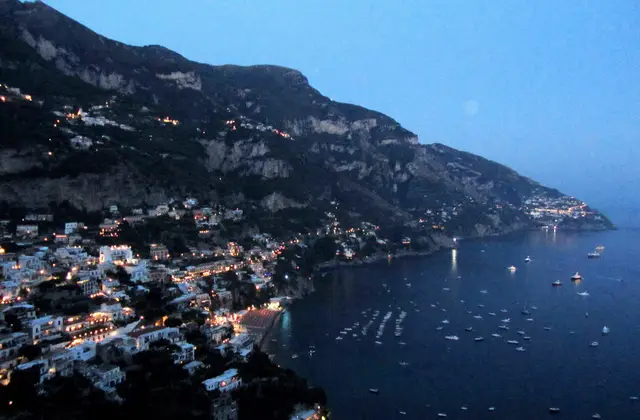
- The Assumption in Positano, 15 August: solemn mass at 19:30, the statue of the Madonna carried down to the shore to a chorus of boat horns, and fireworks over the bay after dark.
- The Regatta of the Ancient Maritime Republics, in early June. Amalfi, Genoa, Pisa and Venice take turns to host: Amalfi takes part every year but hosts only one year in four.
Evenings on the coast, from the bars of Positano to the club inside a cave at Praiano, are covered in Amalfi Coast nightlife.
Fitting it all together
The efficient way to move is by sea. Amalfi–Positano costs €10 and takes twenty-five minutes against fifty by bus; Salerno–Amalfi costs €12 and takes thirty-five. The €10 SITA pass, valid 24 hours, covers the buses, with tickets bought on land and never on board. All the timings and fares are in getting there.
A day that works: a boat from Amalfi in the morning, lunch in Atrani, Ravello in the late afternoon, dinner in Minori. A second: the footpath from Bomerano to Positano in the morning, beach and ferry in the afternoon. Two and three-day itineraries are laid out in planning your trip, while the geography and history are in the Amalfi Coast.
How to spend less
- Take the two-hour boat trip rather than the half-day one: €36 against €86–95.
- Use the free beaches — Furore, Erchie, the unclaimed stretches of Fornillo — instead of the beach clubs.
- Buy the SITA day pass if you expect more than two bus journeys.
- Visit Ravello in the late afternoon, when the coaches have gone and the light is better.
- Sleep in Maiori, Minori or Vietri: cheaper than Positano, and the ferries connect everything.
- If the budget stretches and you are in a group, look at a longer shared trip such as the caves and snorkelling tour from Amalfi, which at €86 covers the whole run to Positano.
What to do on the Amalfi Coast depends less on the list than on the pace: two things done unhurriedly beat six things chased. Start with the water, which is the point of view this place exists for, and check what is available for your dates before you fix anything else.