A sunset trip on the Amalfi Coast works for one precise geographical reason: the sun goes down to the west, behind Capri and the Li Galli islands. That means the Positano side keeps direct light on its houses until the very last minute, while the Amalfi side, further east, watches the sun vanish behind a ridge of mountains and then fills with the pink glow that lasts a good twenty minutes after it has gone.
From land you see the sunset badly almost everywhere, because the mountains behind the towns cut off the horizon. From the water, three hundred metres out, you see all of it. It is the only hour of the day when it is worth paying to sit on a boat without getting into the sea.
What time the sun sets
The one figure verified precisely for Positano is the solstice: on 21 June the sun sets at 20:36, on a day with 15.1 hours of daylight.
From there the time comes forward steadily. By mid-September it is around 19:15, and in October before 19:00.
The number that matters when you book is not the sunset time but the departure time: get on board at least ninety minutes before. The good light starts when the sun is low, not when it touches the horizon, and the twenty minutes after sunset — what photographers call the blue hour — are often the best of the whole trip.
| Period | Approximate sunset | Suggested departure |
|---|---|---|
| Late June | 20:36 (verified, 21 June) | 19:00 |
| Mid-July | around 20:30 | 19:00 |
| Mid-August | around 20:00 | 18:30 |
| Mid-September | around 19:15 | 17:45 |
Which side to watch it from
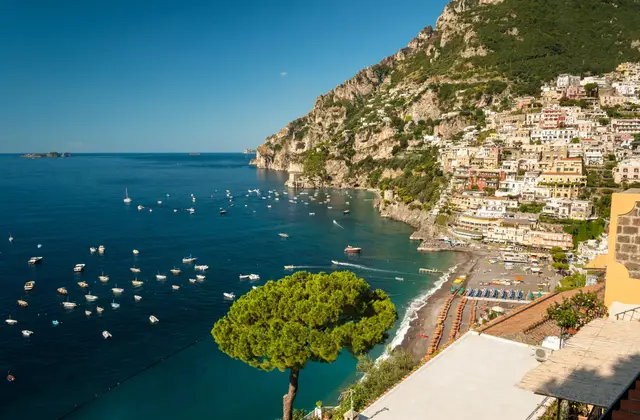
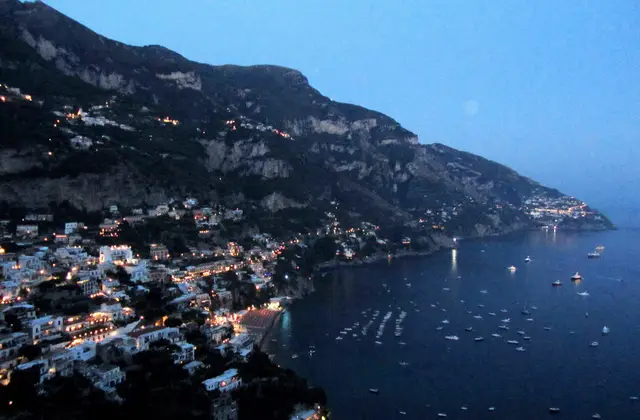
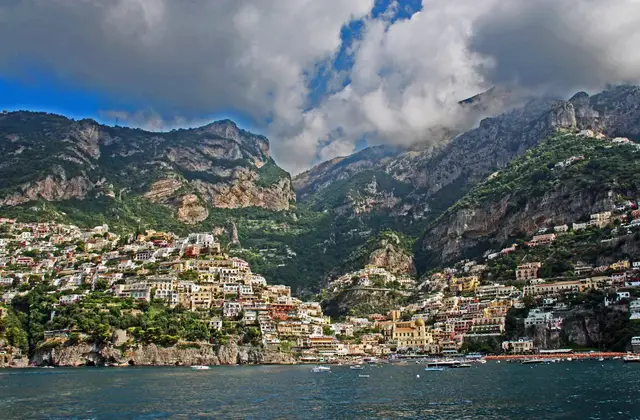
The Positano side. The sun drops behind Li Galli and the outline of Capri. From a boat lying still about three hundred metres off Spiaggia Grande, the town turns orange and then the house lights come on, one at a time. It is the view everyone knows, and it is objectively the best one.
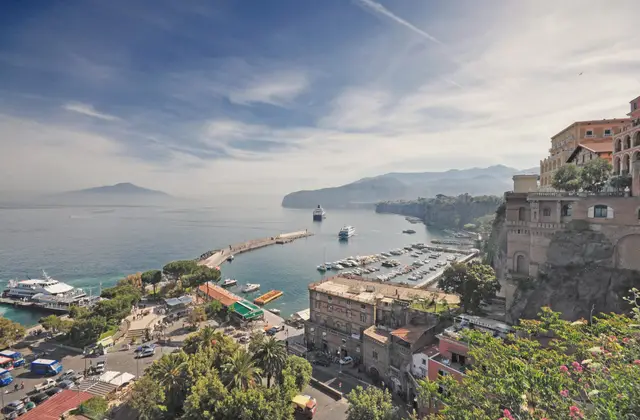
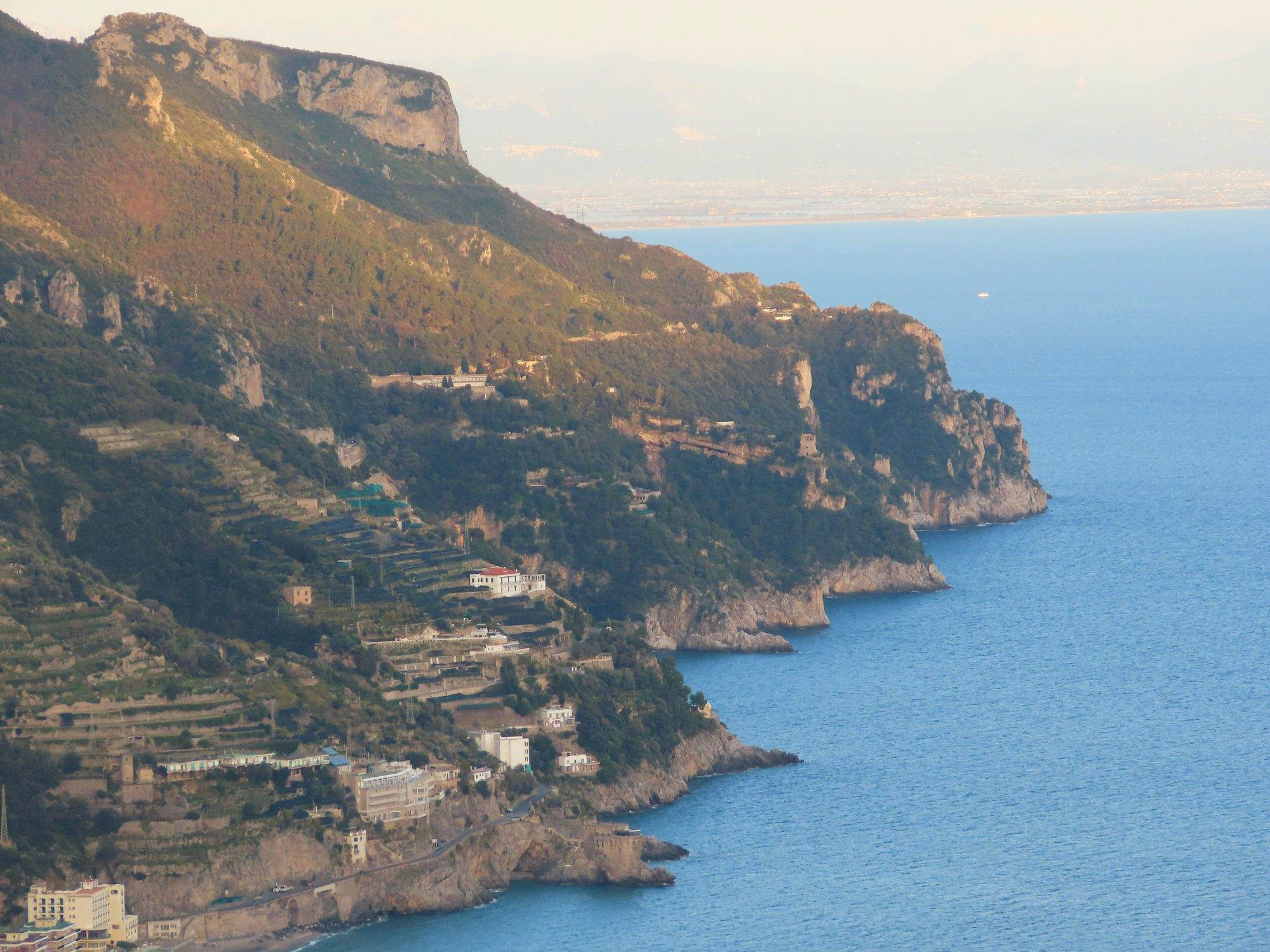
The Amalfi side. Here the sun disappears earlier, behind the mountains of Conca dei Marini, but the sky stays pink for a long time and the cliffs between Amalfi and Atrani go into sharp silhouette. Less picture-postcard, more dramatic.
Praiano. The midpoint, and for many people the best of the three: five minutes out of Marina di Praia puts you halfway between the two views, with the Torre a Mare in the foreground.
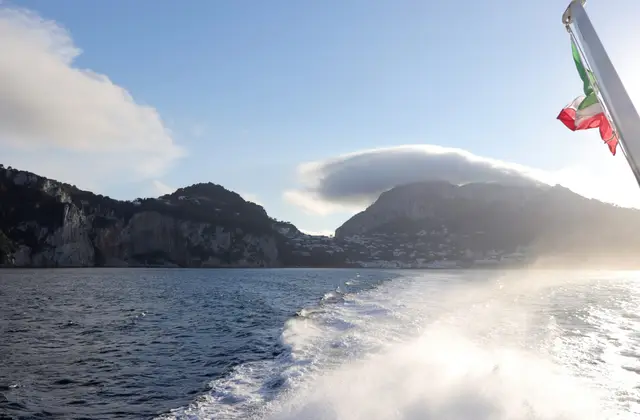
Off Li Galli. The three islands — Gallo Lungo, La Rotonda, Dei Briganti — backlit by the sun are the most photographed shape on the coast after Positano itself. One caveat: they sit in zone B of the Punta Campanella marine protected area, where anchoring is banned, so you hold position on the engine or drift.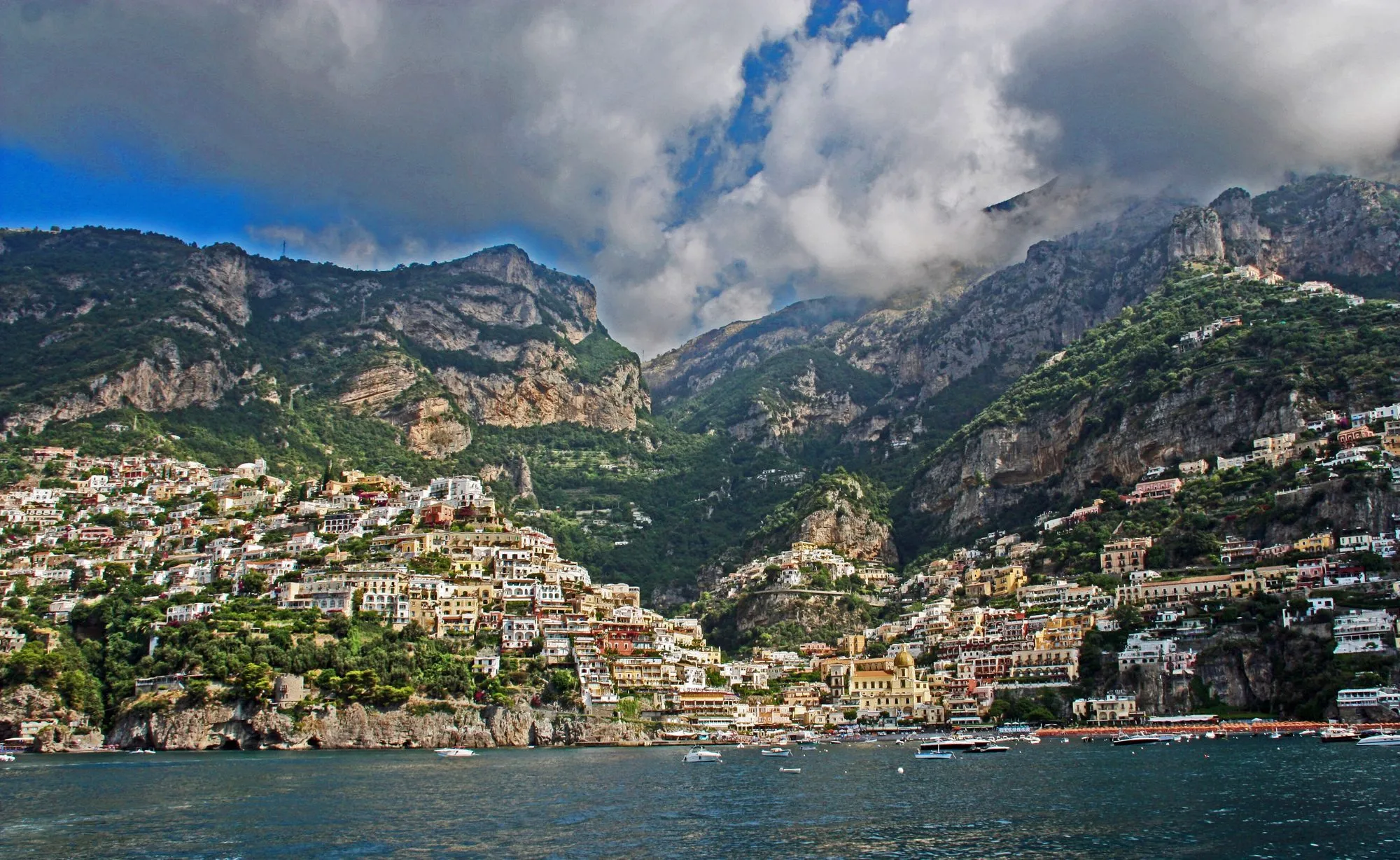 The moment when the town shifts from orange to lit windows lasts under twenty minutes: you need to already be there.
What it costs, and in what format
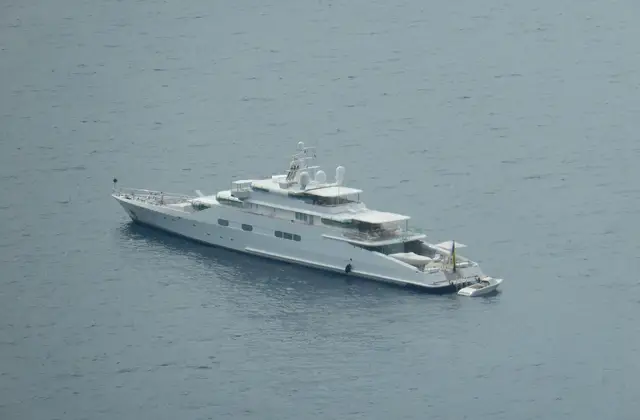
Here is the thing nobody says out loud: on the Amalfi Coast almost every sunset trip is a private charter rather than a group departure. The window of light is short, the number of evening sailings limited, and operators would rather sell the whole boat.
The verifiable price benchmarks, with prices seen on GetYourGuide:
| Format | Duration | Price | Departure |
|---|---|---|---|
| Private speedboat | 2 h | €360 per boat | Positano / Praiano |
| Private boat | 4 h | €680 per boat | Positano |
| Private boat | 6 h | €715 per boat | Amalfi |
The two-hour speedboat tour is the most sensible evening format for the money: €360 per boat, which for six people is €60 each, and it is exactly the time you need to get out, stop and come back in the right light. The full comparison of private formats, with the per-person cost at 2, 4, 6 and 8 passengers, is on the page about private boat tours.
If what you want is a daytime trip with drinks and snorkelling, the Positano tour with snorkelling and drinks at €95 per person is the best-selling shared product on the coast, but it runs in the morning: it is not a substitute for the evening trip.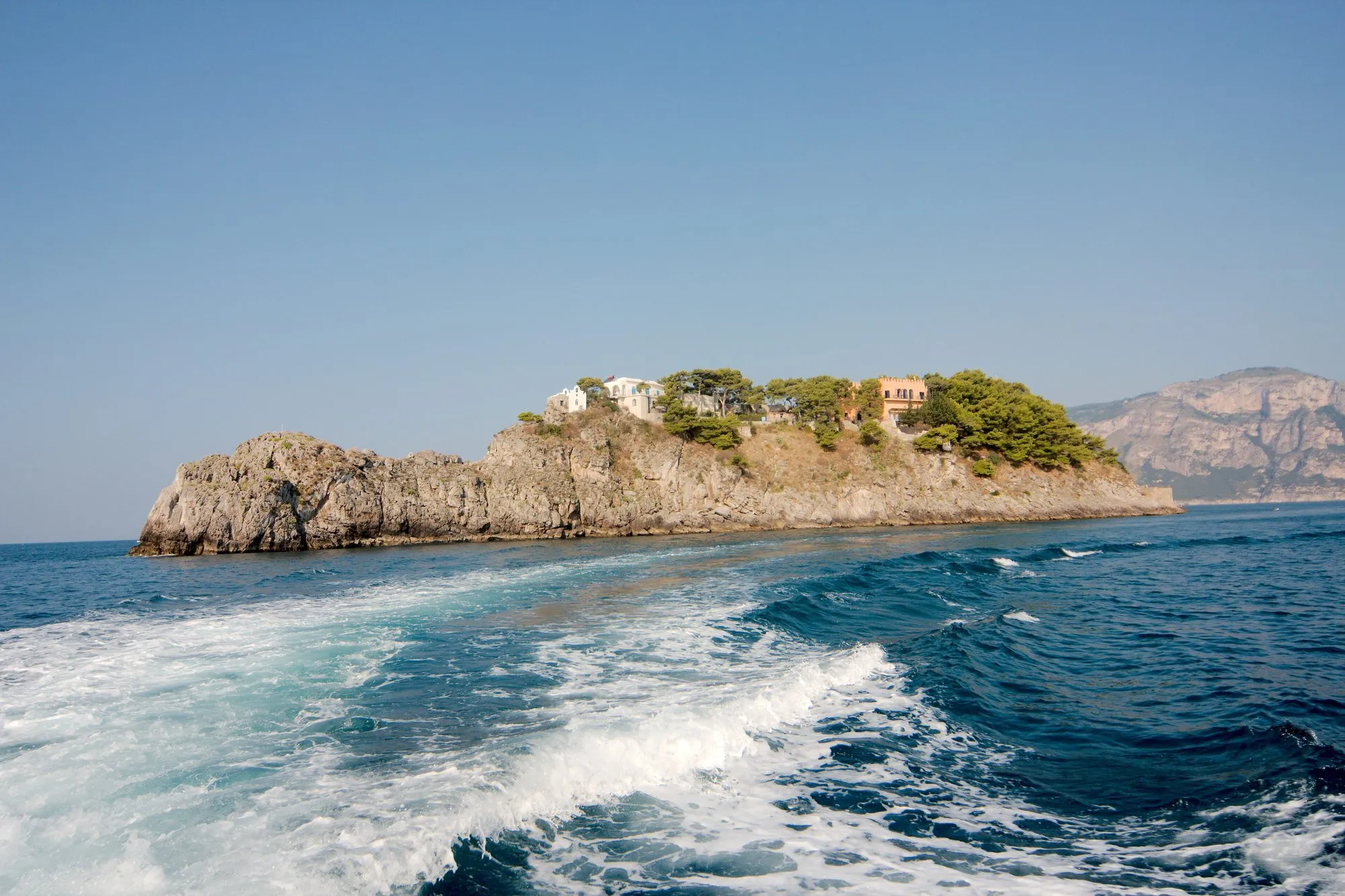 Li Galli backlit: you can hold position on the engine, you cannot drop the anchor.
The sea in the evening
There is a technical reason why the evening trip is nearly always more comfortable than the afternoon one: the wind on this coast is a thermal breeze that fills in from the west around 13:00 to 14:00 and dies with the sun. In the last hour of light the sea almost always settles, and boats that were slamming in the afternoon sit still.
That applies to the water close inshore. Out towards Capri, with a libeccio south-westerly on its way, things change; but for a two-hour trip between Positano and Praiano, the evening is the calmest part of the day.
The flip side is the temperature. The moment the sun goes down, on the water and with the boat moving, it feels cold even in mid-August. A fleece and a dry towel in your bag are not overdoing it.
Drinks on board and dinner afterwards
Plenty of evening charters include prosecco and something to nibble; some pull in at a waterfront restaurant for dinner. The realistic options:
- Marina di Praia. Restaurants around the cove, a short mooring, and in the same inlet the Africana Famous Club, the venue built into a sea cave, open from June to September.
- Positano. Dinner at Spiaggia Grande once you are back; Music on the Rocks, in the cave at the eastern end of the beach, is open from 17:00 to 04:00 according to its official site.
- Amalfi. The centre is five minutes from the jetty and stays lively until late in season.
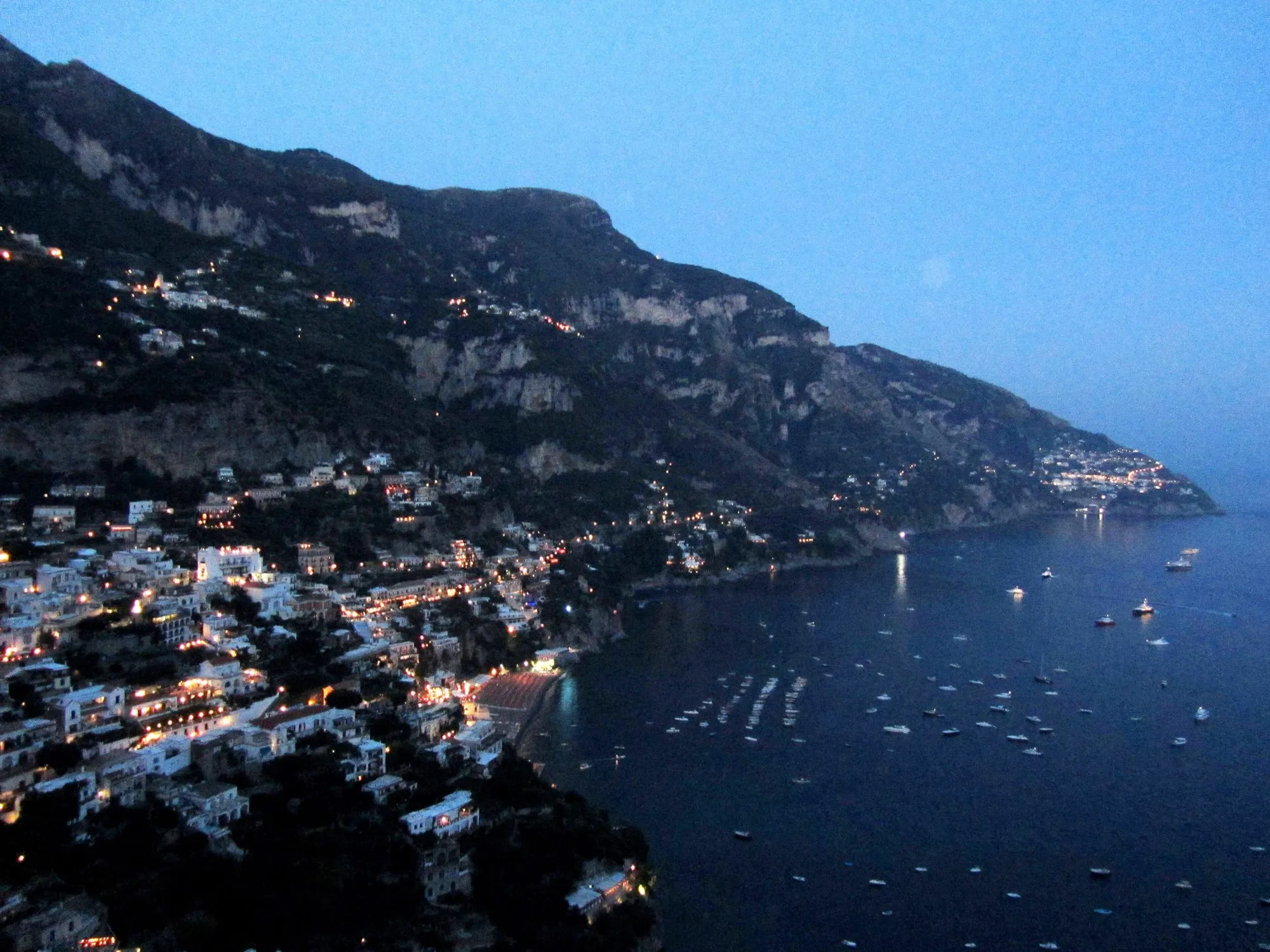 After sunset the town stays lit: coming back to the jetty around 21:00 you see a version of the coast that does not exist by day.
The coast's evening options, and the truth about how little of a nightlife destination this really is, are on the page about nightlife on the coast. For pairing the trip with wineries and restaurants, the guide is food and wine on the Amalfi Coast.
When to go
May and June. Enormously long days, clear air, prices still reasonable, sea at 19.0-23.1 °C on the ten-year averages for Amalfi. A sunset as late as 20:36 does mean a very late dinner.
July and August. The sunset is the best part of days that are otherwise crowded and extremely hot. There are a lot of boats on the water, above all on the evening of 15 August, when the Assumption procession in Positano carries the statue down to the shore and the fireworks go up over the bay after dark, with dozens of boats anchored offshore.
September. The best month of all for colour: cleaner air after the first rain, less traffic on the water, sea still at 24.9 °C and a sunset at a civilised hour.
October. Beautiful and empty, but the season shortens and many boats are hauled out by mid-month.
If you want the same light under sail rather than engine, with less noise and more stability, the comparison is on the page about catamaran and sailing trips. If photographs are explicitly the point, read the guide to a boat photoshoot, which goes through the spots and the timings one by one. And to work out which departure port suits you, the overview is in all the Amalfi Coast boat tours.
A sunset trip on the Amalfi Coast costs more than an aperitivo with a view, and it is worth every euro only if you leave on time, from the right side, with the boat sitting still in the right place. Once you have chosen the format, check availability and times for the boat trips on the coast and book a few days ahead: the good evenings go before the mornings do.